Japan proposes stricter income and pension rules for permanent residency
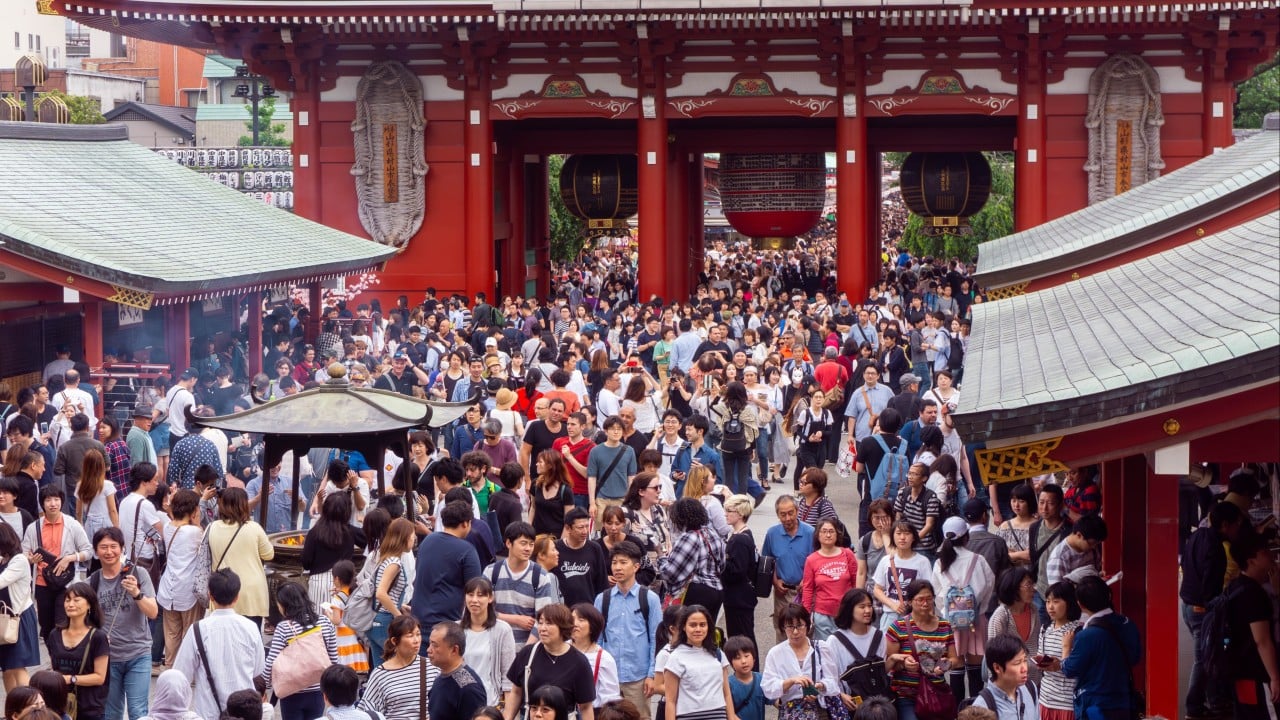
Japan's immigration agency has put forward new proposals that would raise the bar for foreigners seeking permanent residency. Under the suggested guidelines, applicants would need to demonstrate an income exceeding the average for Japanese households. Additionally, they would be required to show a certain level of projected pension benefits. These proposed changes are reportedly linked to Prime Minister Sanae Takaichi's broader agenda to foster an "orderly society." This initiative aims to ensure harmonious coexistence between Japanese citizens and foreign nationals while simultaneously intensifying efforts to combat illegal activities. The Immigration Services Agency is expected to gather public feedback on these new requirements.
Japan's proposed changes to permanent residency requirements reflect a strategic recalibration of its immigration policy, likely driven by demographic and economic considerations. By linking residency to income and pension projections, the government appears to be incentivizing economic self-sufficiency and long-term fiscal contribution from prospective permanent residents. This approach could be viewed as an attempt to balance the need for foreign labor with concerns about social integration and the sustainability of the social welfare system. Future policy decisions will likely hinge on the perceived impact of these measures on attracting skilled workers versus potentially creating barriers for essential but lower-wage laborers, and how these dynamics align with Japan's long-term demographic and economic resilience goals.
AI-generated to prompt reflection — not editorial opinion, not advice, not a statement of fact. How this works.
