Japan Quake Highlights Supply Chain Fragility in Auto and Chip Sectors
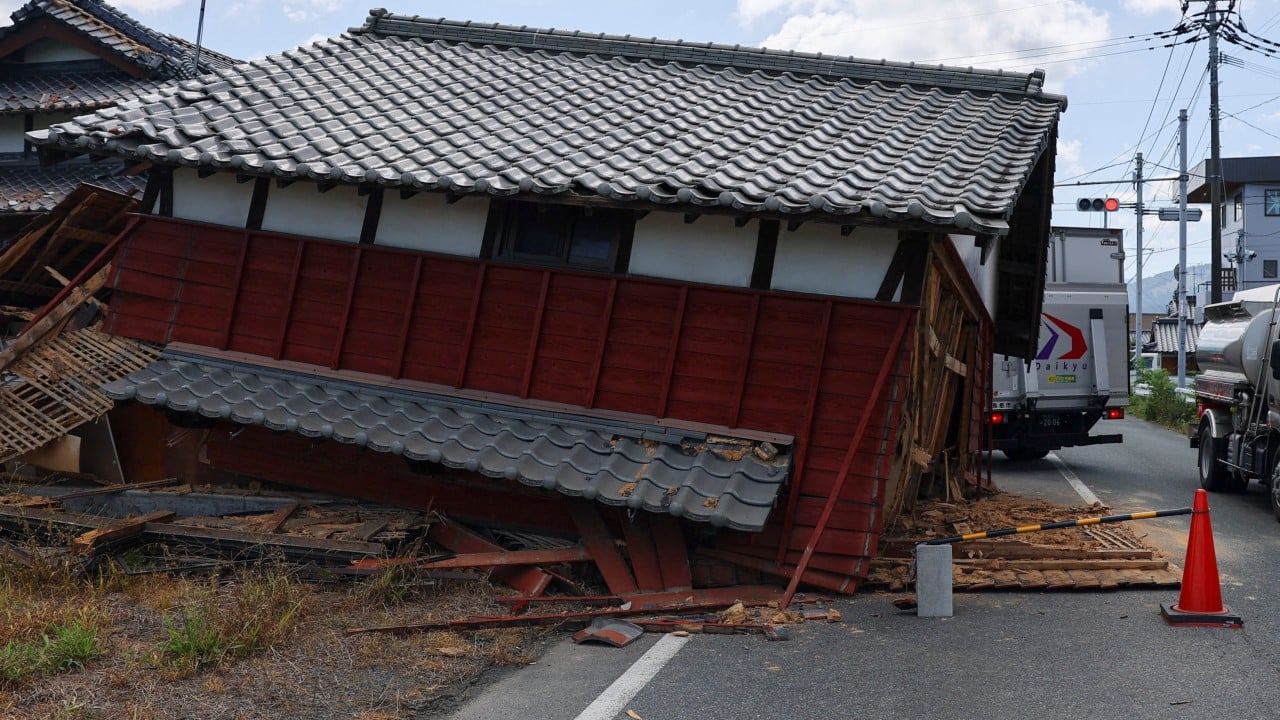
A significant 7.1-magnitude earthquake that hit southern Japan this week has underscored the fragility of the nation's manufacturing supply chains. This event echoes disruptions seen a decade ago following a similar devastating quake in the same region. The recent tremor resulted in at least 34 fatalities, damaged roads, and left thousands of homes without essential utilities. Crucially, it also forced factories to cease operations in an area vital to Japan's automotive sector. This region is also recognized as Japan's "Silicon Valley" due to its concentration of technology and manufacturing industries.
The earthquake in Japan's manufacturing hub serves as a stark reminder of the inherent risks in geographically concentrated production networks. While efficiency gains are often realized through such clustering, the event highlights the systemic vulnerability to natural disasters. This situation presents a critical challenge for global supply chain resilience, particularly in sectors like automotive and semiconductors where Japan holds significant market share. Companies and governments will likely face increased pressure to diversify production locations and invest in more robust disaster preparedness measures to mitigate future disruptions and ensure economic stability in an increasingly interconnected world.
AI-generated to prompt reflection — not editorial opinion, not advice, not a statement of fact. How this works.