Japan's Alleged 'Spy Paradise' Status Fuels Concerns Over Russian War Machine Support
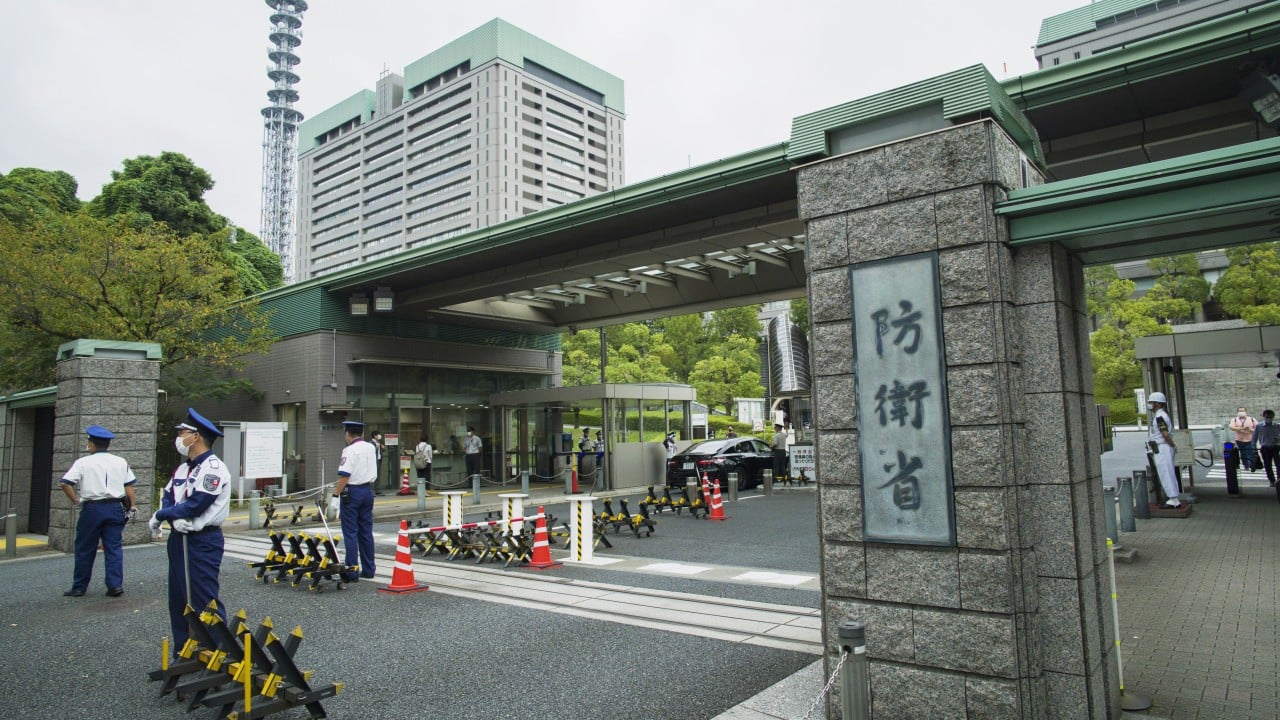
Concerns are mounting that Japan may be serving as a haven for foreign spies, potentially enabling Russia's war effort in Ukraine. A recent media report suggests that numerous Russian agents, expelled from Western European nations, have relocated to Tokyo. These agents are reportedly exploiting Japan's lack of specific anti-espionage legislation and the presence of numerous companies manufacturing components vital to Russia's military. The New York Times highlighted this situation, indicating that these components could be crucial for Moscow's ongoing conflict. The report implies that Japan's regulatory environment allows these activities to proceed with relative ease, raising questions about national security and international obligations. The failure to implement targeted laws against espionage is seen as a significant vulnerability. This situation could have broader geopolitical implications, particularly concerning the flow of sensitive technology and intelligence.
The reported situation in Japan raises questions about the effectiveness of national security frameworks in managing geopolitical tensions. The incentive structure for intelligence agencies often involves exploiting perceived regulatory gaps in host countries. Japan's current legal landscape, as described, may inadvertently create an environment where sensitive component procurement for foreign military activities can occur with reduced oversight. This scenario underscores a broader challenge for many nations: balancing open economic policies and international trade with the imperative to prevent the diversion of dual-use technologies to support conflicts. Future policy considerations might involve strengthening legal instruments for counter-espionage and enhancing inter-agency cooperation to monitor supply chains for critical components, particularly in light of evolving global security dynamics and the increasing sophistication of intelligence operations.
AI-generated to prompt reflection — not editorial opinion, not advice, not a statement of fact. How this works.