Japan's Approach to Child Discipline Without Scolding or Physical Punishment
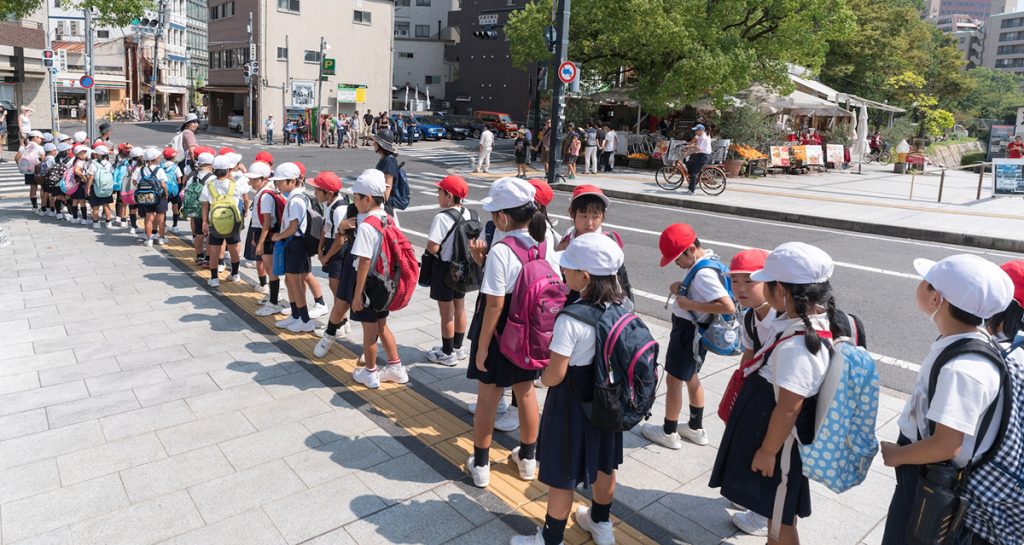
In contrast to common practices in many societies where scolding and physical punishment are used to discipline children, Japan employs a different approach. Parents and educators in Japan aim for their children to become sensible and disciplined, but they achieve this without resorting to harsh words or corporal punishment. This method emphasizes guidance and understanding rather than punitive measures. The Japanese system focuses on teaching children self-control and respect through positive reinforcement and setting clear expectations. The intention is to foster a healthy development where children learn to behave appropriately without fear or resentment. This educational philosophy is deeply embedded in Japanese culture, promoting a nurturing environment for children's growth. The goal is to cultivate well-behaved individuals who understand the importance of rules and social harmony.
The Japanese model of child discipline, which eschews verbal abuse and physical punishment, presents a contrast to more punitive disciplinary paradigms. This approach aligns with contemporary developmental psychology that emphasizes positive reinforcement and the long-term benefits of fostering intrinsic motivation and self-regulation in children. Over the next decade, as societies grapple with rising mental health concerns among youth, educational systems globally may increasingly explore such non-coercive methods. The underlying principle suggests that discipline built on mutual respect and understanding, rather than fear, can lead to more resilient and adaptable individuals, better equipped for the complexities of an AI-driven future that will demand critical thinking and emotional intelligence.
AI-generated to prompt reflection — not editorial opinion, not advice, not a statement of fact. How this works.