Japan's construction industry battles heatwaves and labor shortages with technology
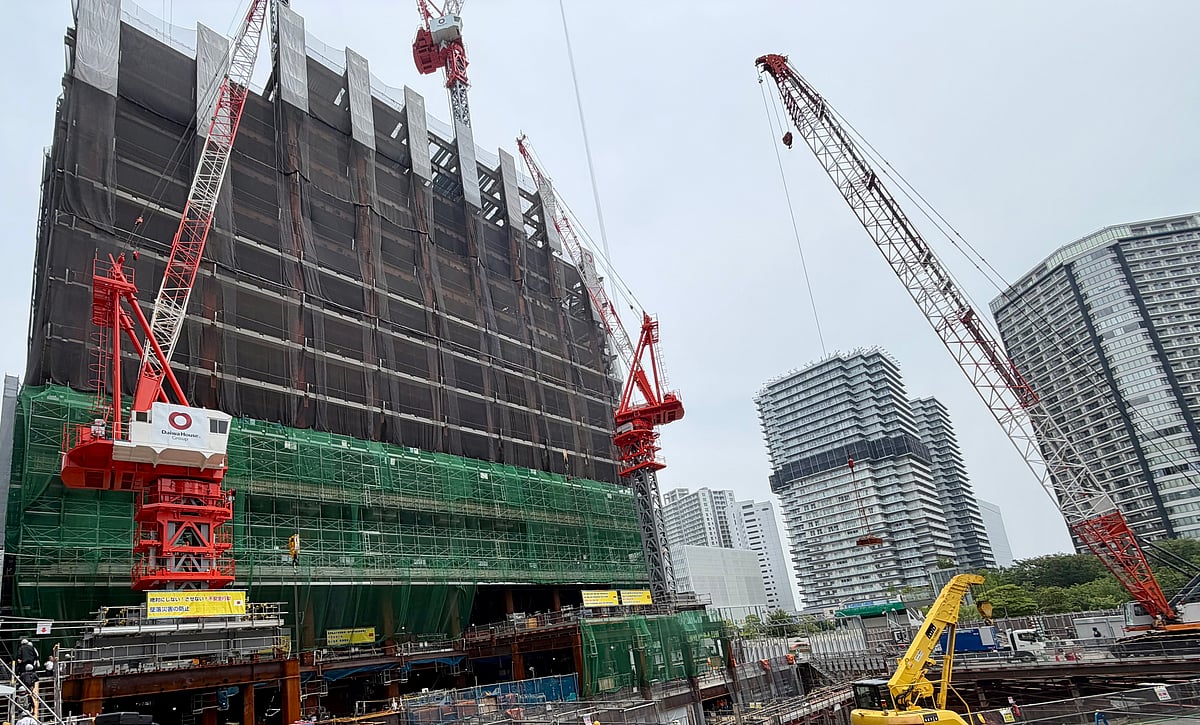
Japan's construction sector is facing significant challenges due to increasingly severe heatwaves and a persistent labor shortage. Temperatures in July and August frequently reach 40 degrees Celsius, posing a major risk to worker safety and even hindering disaster relief efforts, as seen after the recent Kumamoto earthquake. Authorities advise against prolonged outdoor exposure, a difficult constraint for industries like construction. In response, Daiwa House Group, a leading Japanese housing and construction firm, is implementing a multi-faceted strategy combining safety measures, technological advancements, and efficient management. Journalists recently visited the Minato Mirai-21 Central District 52 project in Yokohama to observe these initiatives. Daiwa House, founded in 1955, is a global construction giant with operations in 27 countries and a net sales of approximately $39.3 billion in 2025. The company is known for constructing various structures, including temporary shelters after natural disasters like the Fukushima and Kumamoto earthquakes. The Minato Mirai-21 project, a key part of Yokohama's urban development plan, began in 2024 and is slated for completion in 2027. The building will stand approximately 180 meters tall with 29 above-ground and two underground floors, covering a total floor area of about 113,500 square meters. Approximately a quarter of the hundreds of workers on this project are foreign nationals. To combat heatstroke, which has led to over 100,000 hospitalizations and 1,681 workplace injuries and deaths in Japan between May and September 2025, Daiwa House has developed detailed guidelines aligned with the government's revised Industrial Safety and Health Ordinance. These include daily health checks, regular breaks, cooling-down periods before work, hydration, and immediate response protocols for heat-related incidents. The company also provides financial assistance for heat-resistant gear. The project utilizes the Wet Bulb Globe Temperature (WBGT) index to monitor heat stress, with workers taking breaks when the index exceeds 28. Workers are equipped with special fan-equipped clothing to enhance sweat evaporation and reduce heat fatigue, and are provided with free ice slurry drinks and access to vending machines with affordable cold beverages. Temporary cooling rooms are available on-site for rest and immediate first aid. Recognizing the challenges faced by foreign workers, Daiwa House offers safety training in multiple languages, including English, Chinese, Vietnamese, Indonesian, and Filipino, accessible via QR codes. The company is also increasingly relying on digital tools for labor-saving and efficient management, such as facial recognition systems ('Facema') for site access and key management, and large digital displays for morning briefings and information sharing. Paperless operations are facilitated by digital field notebooks ('eYACHO'), allowing real-time data exchange between the construction site, headquarters, and contractors.
Japan's construction sector is proactively addressing the dual challenges of extreme heat and labor scarcity by integrating advanced technology and comprehensive worker welfare programs. The emphasis on the WBGT index and specialized cooling gear demonstrates a data-driven approach to mitigating heat-related risks, moving beyond simple temperature readings to account for humidity's impact. The investment in multilingual training and digital management tools highlights a strategic effort to maximize the productivity and safety of a diverse workforce, acknowledging the limitations of traditional labor-intensive methods. This adaptive strategy, exemplified by Daiwa House's initiatives, suggests a forward-looking model for industries operating in environments with increasing climate volatility and demographic shifts, potentially setting a precedent for global construction practices. The focus on digital integration and worker well-being offers a systemic response to operational pressures, aiming to enhance resilience and efficiency in the face of evolving environmental and labor market conditions.
AI-generated to prompt reflection — not editorial opinion, not advice, not a statement of fact. How this works.
