Japan's Diet Committee Passes Referendum Law Revision Bill, Addresses Online Regulation
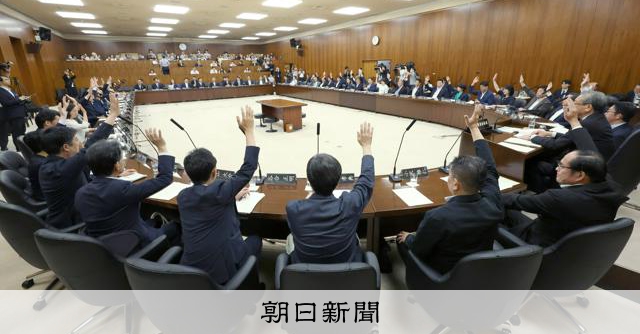
A revision bill for Japan's Referendum Law has been approved by the Constitutional Affairs Committee of the House of Councillors. The proposed changes aim to modernize the process for national referendums, which are crucial for constitutional amendments. A significant point of discussion during the committee's deliberations was the regulation of online campaigning and information dissemination during referendums.
Members of the committee expressed the need for "necessary measures" to address potential issues arising from the internet's role in public discourse. This suggests an acknowledgment of the challenges posed by misinformation and the speed at which information, or disinformation, can spread online. The specifics of these "necessary measures" are yet to be fully detailed, but the inclusion of this point indicates a forward-looking approach to ensuring fair and informed public participation in democratic processes.
The approval by the committee marks a step forward in the legislative process, moving the bill closer to potential enactment. The focus on online regulation highlights the evolving landscape of political communication and the challenges governments face in adapting existing laws to the digital age. Further parliamentary debate and potential amendments will likely follow as the bill progresses through the House of Councillors and potentially to the House of Representatives.
The passage of the Referendum Law revision bill by a Japanese Diet committee reflects a global trend of legislative bodies grappling with the impact of digital technologies on democratic processes. The inclusion of provisions for "necessary measures" regarding online regulation signals an attempt to balance free speech with the need to safeguard the integrity of public discourse during referendums. This challenge is particularly acute in the context of constitutional amendments, where informed public consent is paramount. Future iterations of such legislation will likely need to navigate complex legal and ethical considerations, including defining the scope of permissible online activities, ensuring transparency in digital campaigning, and addressing the potential for foreign interference. The effectiveness of these measures will depend on their ability to adapt to the rapid evolution of online platforms and user behaviors, while upholding fundamental democratic principles.
AI-generated to prompt reflection — not editorial opinion, not advice, not a statement of fact. How this works.