Japan's disaster preparedness lags behind its tourism growth
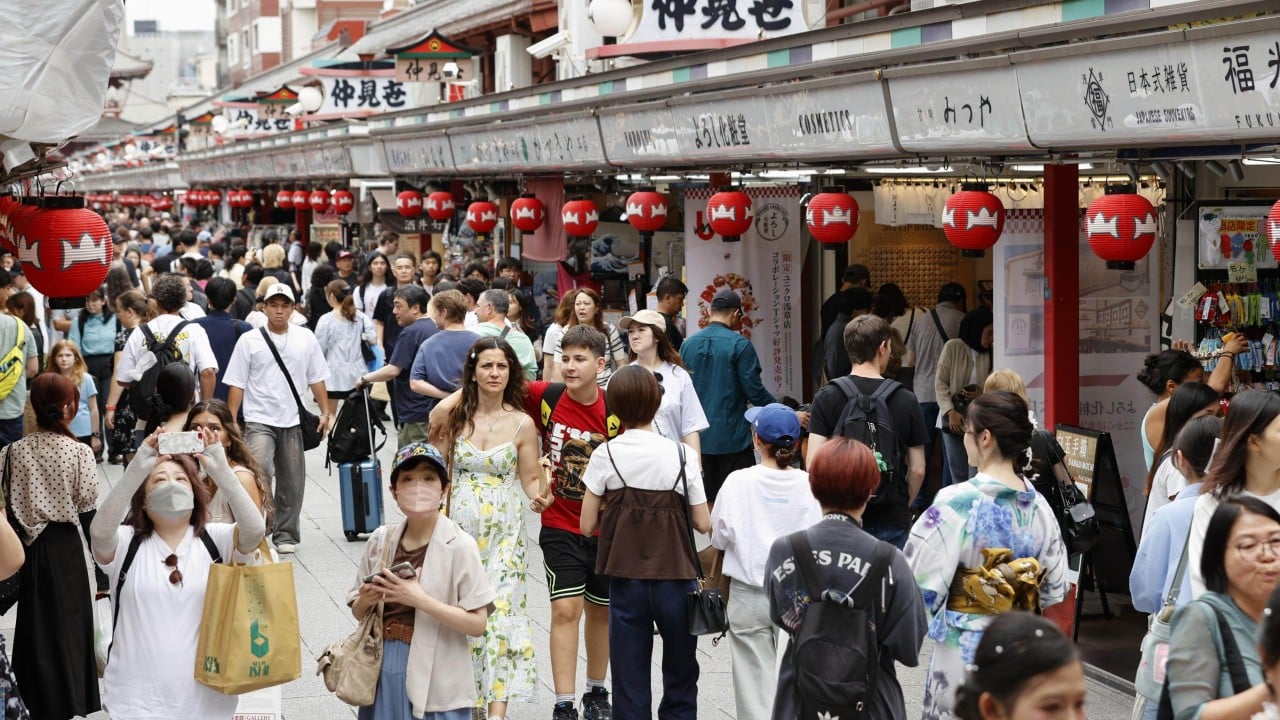
Japan is facing challenges in updating its disaster preparedness plans to accommodate a significant increase in tourism. The country, accustomed to natural disasters like earthquakes and typhoons, conducts regular drills, including annual earthquake evacuations. However, recent events, such as a magnitude 6.0 earthquake off Iwate prefecture on a Wednesday evening, highlight potential gaps. This tremor occurred amidst ongoing recovery efforts from two powerful typhoons and in anticipation of further heavy rainfall and landslides. The frequency and intensity of natural disasters in Japan necessitate robust and adaptable emergency response systems, especially with a growing international visitor base that may be less familiar with local safety protocols.
Japan's long-standing expertise in disaster management faces a new test as its tourism sector expands rapidly. While the nation's infrastructure and public awareness regarding seismic activity and extreme weather are well-established, the influx of international visitors introduces complexities. Ensuring that disaster communication, evacuation procedures, and emergency services are accessible and understandable to a diverse, non-native speaking tourist population is crucial. This situation presents an opportunity to innovate in multilingual emergency broadcasting and digital alert systems, integrating them seamlessly with tourism platforms. Balancing the economic benefits of increased tourism with the imperative of public safety requires proactive adjustments to preparedness strategies, ensuring that Japan's resilience is maintained even as its visitor numbers grow.
AI-generated to prompt reflection — not editorial opinion, not advice, not a statement of fact. How this works.