Japan's Economy Minister Takaichi Emphasizes Ties with Ishin Party, Eyes Third Osaka Metropolis Vote
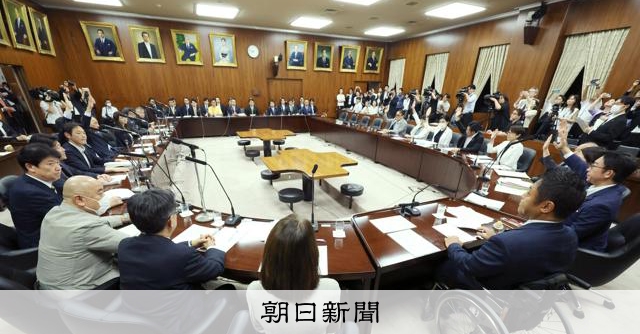
Japanese Minister for Economic and Fiscal Policy, Sanae Takaichi, has indicated a desire to strengthen her relationship with the Japan Innovation Party (Ishin no Kai). This focus on the opposition party comes as Takaichi considers the possibility of a third referendum on the Osaka Metropolis plan. The Osaka Metropolis plan aims to reorganize the city's administrative structure, merging its 24 wards into four special districts, similar to the structure of Tokyo. The proposal has been a central policy of the Ishin Party for years. Previous attempts to implement the plan through referendums in 2015 and 2020 were unsuccessful, with voters rejecting the proposals both times. Takaichi's apparent openness to revisiting the issue suggests a potential shift in the political landscape or a strategic move to garner support from the Ishin Party on other policy fronts. The specific timing and conditions for a potential third vote remain unclear, but the minister's statement signals a renewed political discussion around Osaka's future governance.
Minister Takaichi's emphasis on strengthening ties with the Japan Innovation Party and her consideration of a third Osaka Metropolis referendum highlight the dynamic interplay between national political strategies and regional governance initiatives. This approach may reflect an attempt to build broader consensus for key policy objectives by engaging with a significant opposition force, potentially leveraging shared interests in administrative reform. However, the repeated public rejection of the Osaka Metropolis plan in past referendums suggests a persistent public skepticism regarding its benefits or implementation. Future iterations would likely require a reevaluation of the proposal's core arguments and a more robust public engagement strategy to address voter concerns, especially in the context of evolving urban development needs and the increasing decentralization trends driven by technological advancements. The political calculus involves balancing the potential for inter-party cooperation against the risks of alienating segments of the electorate by revisiting a contentious issue.
AI-generated to prompt reflection — not editorial opinion, not advice, not a statement of fact. How this works.