Japan's Economy Minister Vows to Respect BOJ's Independence on Monetary Policy
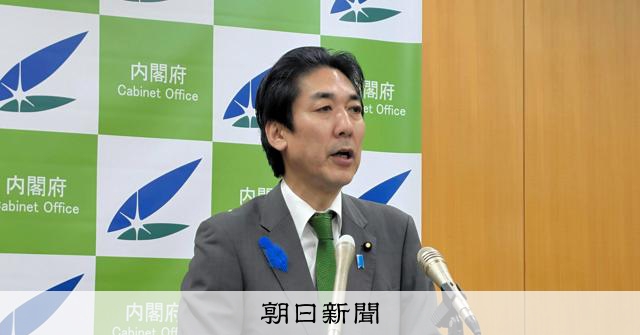
Japan's Minister for Economic and Fiscal Policy, Yoshitaka Shindo, has stated that the government will respect the Bank of Japan's (BOJ) independence in its monetary policy decisions. Shindo emphasized that the central bank's autonomy in determining interest rate hikes or cuts will be upheld. He indicated that the BOJ will not pre-announce its intentions regarding such policy adjustments. This stance suggests a commitment to allowing the BOJ to operate without undue political influence, a principle often considered crucial for effective central banking. The minister's remarks come amid ongoing discussions about the global economic outlook and the potential impact of monetary policy shifts. Maintaining the BOJ's independence is seen as vital for its credibility and its ability to manage inflation and economic stability. The government's pledge aims to reassure markets and stakeholders about the continuity of independent monetary policy formulation in Japan.
The Japanese government's affirmation of the Bank of Japan's (BOJ) independence in setting monetary policy, particularly interest rates, underscores a commitment to established central banking principles. This approach aims to insulate policy decisions from short-term political pressures, fostering greater market confidence and predictability. In the context of evolving global economic landscapes and the increasing influence of digital currencies and AI on financial systems, preserving central bank autonomy is paramount for effective inflation management and economic stability. The challenge lies in balancing this independence with the government's broader economic growth objectives, ensuring that monetary policy supports sustainable development without compromising the BOJ's mandate. Future policy effectiveness will depend on the BOJ's ability to adapt to technological shifts and maintain credibility through transparent, data-driven decision-making.
AI-generated to prompt reflection — not editorial opinion, not advice, not a statement of fact. How this works.