Japan's Hayabusa2 Mission: Daring Asteroid Flyby Despite Safety Concerns
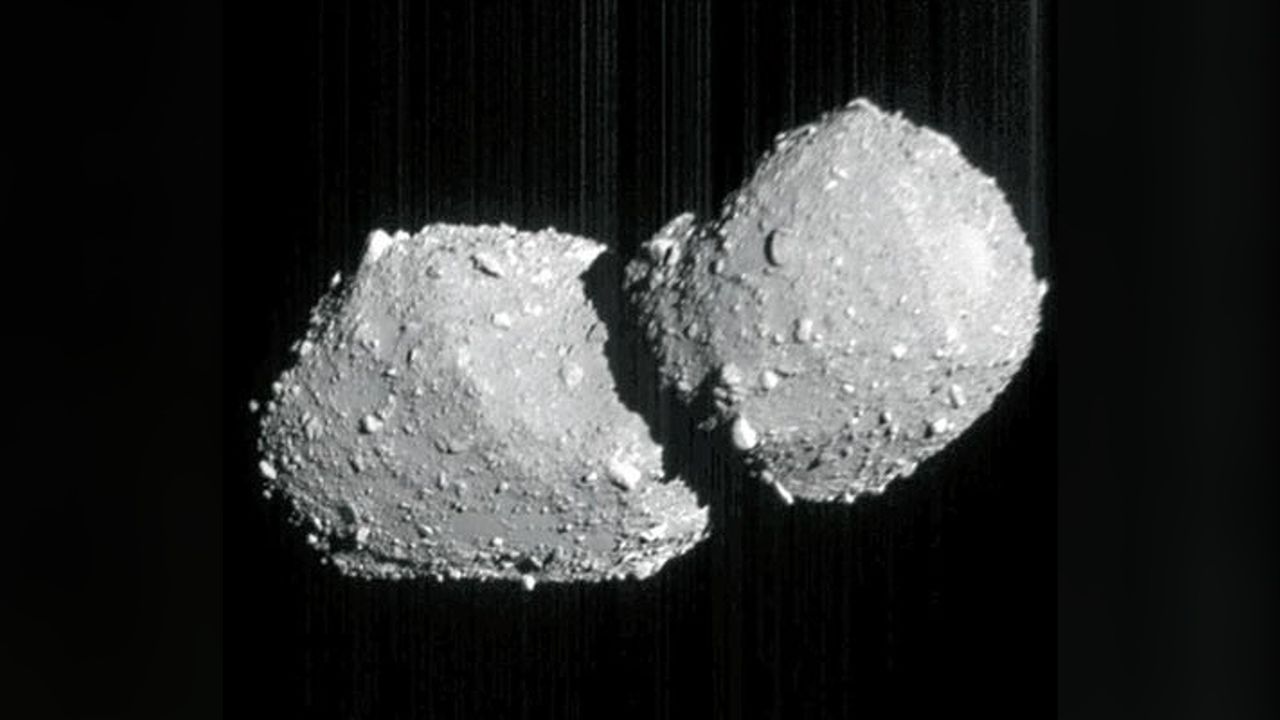
Japan's Hayabusa2 spacecraft successfully executed a super-close flyby of a near-Earth asteroid on July 5, returning spectacular images. The mission's daring approach, however, was not without significant internal debate among the scientific teams involved. Concerns were raised by scientists who deemed the maneuver too dangerous to attempt. Despite these warnings, the mission proceeded after considerable discussion, ultimately leading to the successful close encounter with the asteroid. The images captured are expected to provide valuable data for understanding these celestial bodies. This mission highlights the balance between scientific ambition and risk assessment in space exploration.
The Hayabusa2 mission's close asteroid flyby demonstrates a common tension in space exploration between achieving groundbreaking scientific objectives and managing inherent risks. While the mission's success provides valuable data, the pre-mission debate underscores the need for robust risk assessment frameworks. Future missions could benefit from enhanced simulation capabilities and transparent decision-making processes that fully account for expert safety opinions, ensuring that scientific advancement does not come at an unacceptable cost. This event prompts reflection on how to best navigate the complex trade-offs between pushing technological boundaries and prioritizing mission and personnel safety in the evolving landscape of space exploration.
AI-generated to prompt reflection — not editorial opinion, not advice, not a statement of fact. How this works.