Japan's immigration detention system faces renewed criticism after abuse ruling
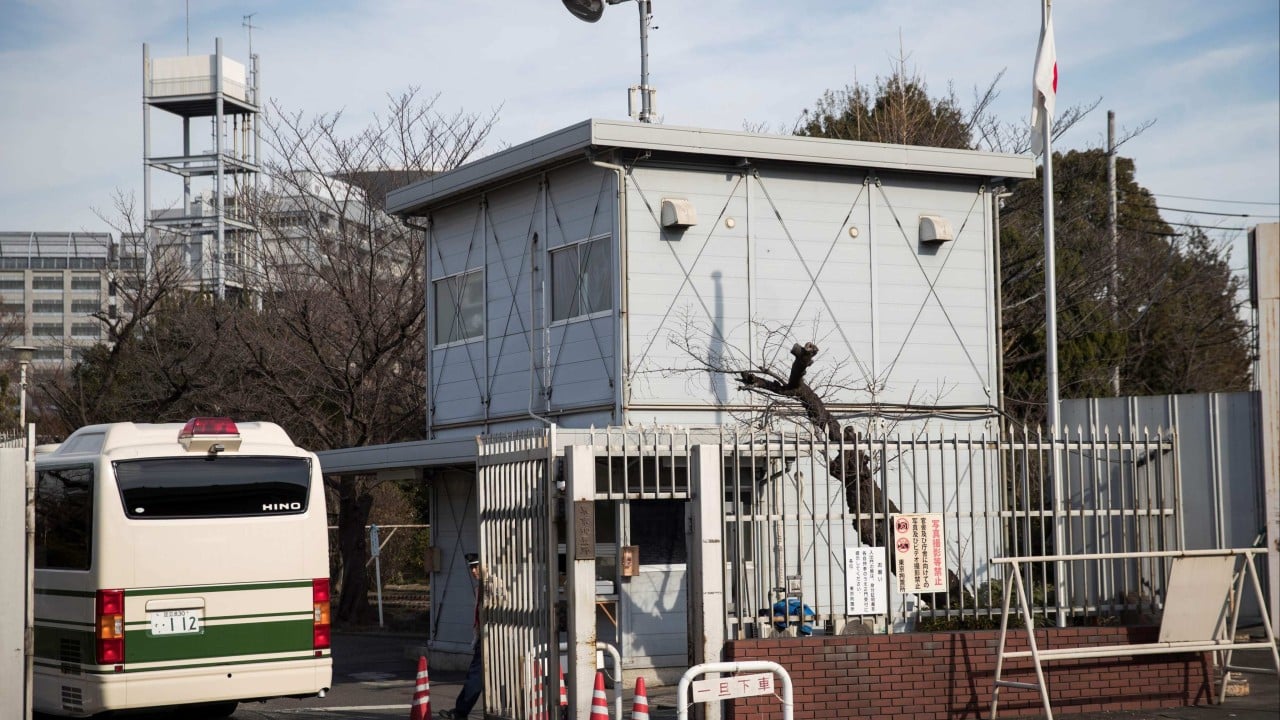
Japan's immigration detention system is under increased scrutiny following a court ruling that ordered the government to compensate the family of Vladimir Burgos Fujii, a Peruvian man of Japanese descent. Fujii sustained a broken arm while being restrained at an immigration facility. The Osaka High Court mandated an 880,000 yen (US$5,400) payment to his family on June 25. Rights experts have highlighted this case as evidence of the urgent need for reforms within the detention system. They argue that the incident demonstrates systemic issues that require immediate attention to prevent future abuses and ensure the humane treatment of detainees. The ruling is expected to fuel further calls for comprehensive changes to Japan's immigration policies and practices.
This court order brings into sharp focus the operational standards and oversight mechanisms within Japan's immigration detention facilities. The incident involving Vladimir Burgos Fujii and the subsequent compensation award suggest potential systemic issues in the application of restraint techniques and the duty of care provided to detainees. Future reforms may need to address training protocols for facility staff, the criteria for using physical restraints, and independent monitoring to ensure compliance with human rights standards. The case also highlights the importance of legal recourse for individuals experiencing mistreatment within such facilities, potentially influencing broader discussions on immigration governance and accountability in the coming decade.
AI-generated to prompt reflection — not editorial opinion, not advice, not a statement of fact. How this works.