Japan's Imperial House Adopts Male Adoptions to Secure Succession
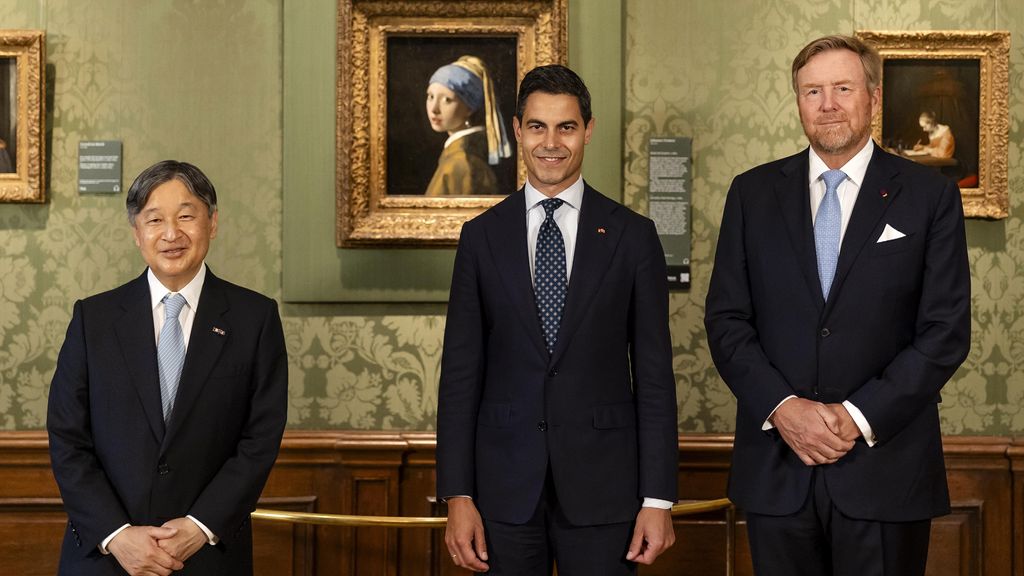
Japan's parliament has enacted a significant amendment to the Imperial House Law, the first such change since 1947, to address the dwindling number of male heirs and prevent the monarchy's extinction. The law now permits the adoption of men from former imperial collateral branches, allowing their sons to be eligible for the Chrysanthemum Throne. This measure aims to bolster the imperial family, which currently comprises only sixteen members, with just five being male. Previously, female members lost their imperial status and left the court upon marrying a commoner, a fate that befell Princess Mako in 2021 when she married and moved to New York. The current succession line consists of Emperor Naruhito's 60-year-old brother, Crown Prince Akishino, his 19-year-old son Prince Hisahito, and Emperor Naruhito's 90-year-old uncle, Prince Hitachi. A notable aspect of the revised law is that women can now retain their imperial status and official duties after marriage, although their husbands and children remain commoners. The most contentious provision involves the adoption of unmarried men aged 15 and above from eleven former imperial branches that lost their status during the 1947 U.S. occupation. These adopted men will not be eligible for the throne themselves, but any son born to them after adoption will be. The new law has sparked considerable debate, with critics questioning why a distant male relative is preferred over the Emperor's daughter, Princess Aiko. Proponents cite historical precedents of male adoptions for succession, while opponents argue for allowing female succession, pointing to Japan's history of eight empresses. Public opinion, according to a recent poll, largely favors female succession, with over 70% supporting a female heir.
Japan's legislative amendment to its Imperial House Law reflects a pragmatic response to demographic pressures threatening the continuity of its ancient monarchy. By enabling the adoption of males from former imperial branches, the government seeks to secure a male line of succession, prioritizing tradition over contemporary notions of gender equality that have gained traction globally and within Japan itself. This approach highlights a tension between preserving a unique historical institution and adapting to evolving societal values, particularly concerning gender roles. The law's reliance on distant male relatives for succession, while historically grounded, may face challenges in public acceptance and could be perceived as a less direct solution than allowing direct female lineage, as suggested by some experts and public opinion polls. The long-term sustainability of the monarchy may hinge on its ability to reconcile these competing demands, potentially necessitating further legislative adjustments in the future to align with broader societal expectations and ensure continued legitimacy.
AI-generated to prompt reflection — not editorial opinion, not advice, not a statement of fact. How this works.