Japan's Imperial Household Law Reform Passes Lower House, Upholding Male Succession
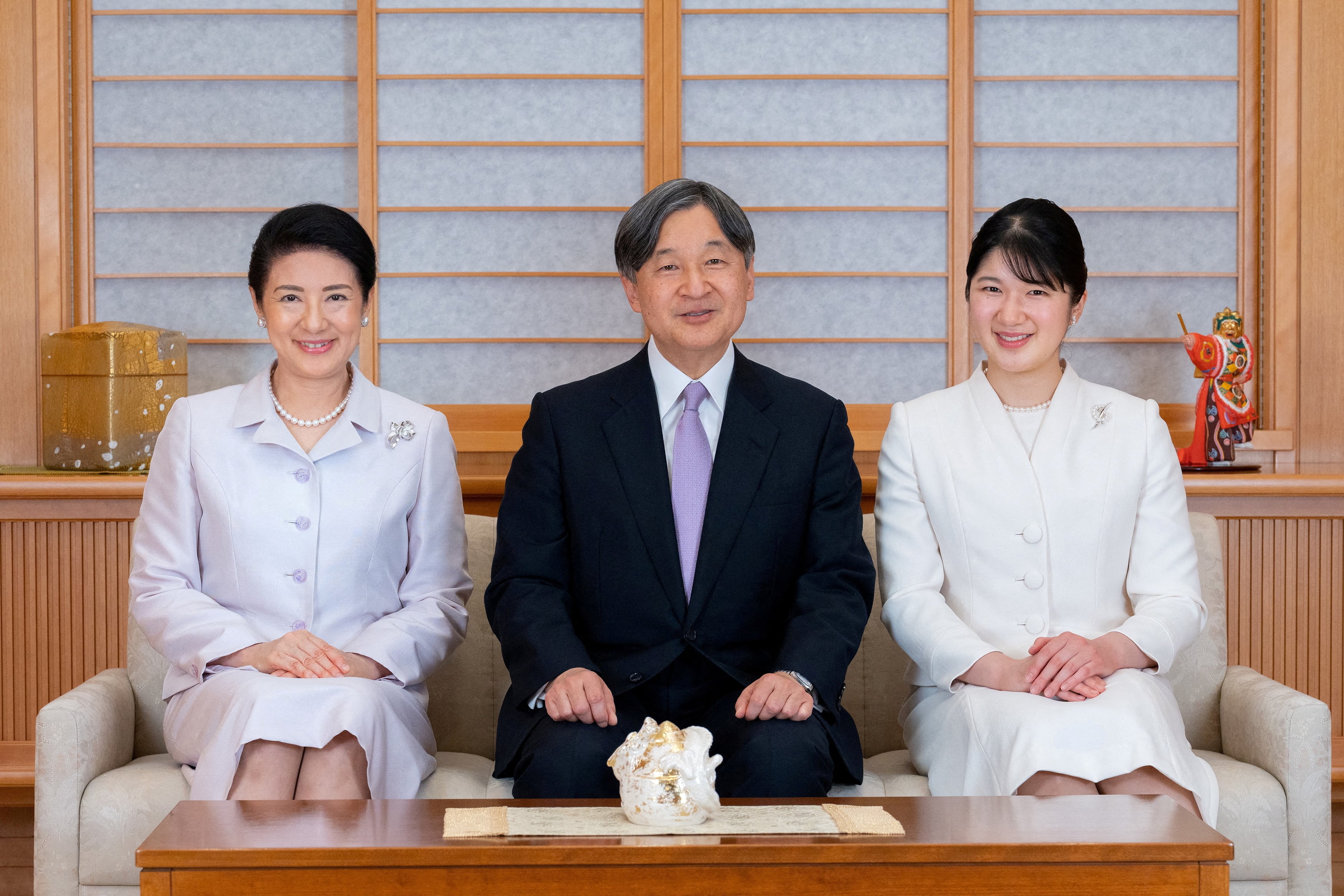
Japan's conservative government, led by Prime Minister Sanae Takaichi, is poised to pass a controversial reform of the Imperial Household Law this week, following its approval by the Lower House. This historic legislation aims to secure the future of the world's oldest continuous monarchy by allowing commoners with direct lineage to former imperial families to be adopted into the male-only line of succession. The reform, however, has drawn criticism for reinforcing the existing discrimination against women, who are barred from ascending the Chrysanthemum Throne. Despite widespread debate, the government is pushing the bill forward to address concerns about the shrinking number of male heirs. The law's passage is seen as a significant moment in the ongoing discussion about tradition versus modernization within Japan's ancient imperial system. The measure seeks to ensure the continuation of the imperial line by expanding the pool of potential male heirs through adoption. This development highlights the deep-rooted patriarchal structures that continue to influence succession rules in Japan.
This legislative move by Japan's government addresses the pragmatic challenge of maintaining the imperial succession amidst demographic shifts. By permitting adoptions from former noble lines, the state seeks to ensure continuity for an institution deeply intertwined with national identity. However, the reform's structure, which prioritizes male succession, highlights a persistent tension between preserving tradition and adapting to contemporary societal values regarding gender equality. The decision to uphold male primogeniture, while ensuring the immediate survival of the monarchy, may create future governance challenges and societal friction as global norms evolve. This approach prioritizes institutional stability over potential shifts toward broader inclusivity, setting a precedent for how Japan balances its historical legacy with future societal expectations.
AI-generated to prompt reflection — not editorial opinion, not advice, not a statement of fact. How this works.