Japan's Imperial Law Rejects Female Succession, Upholding Male Primogeniture
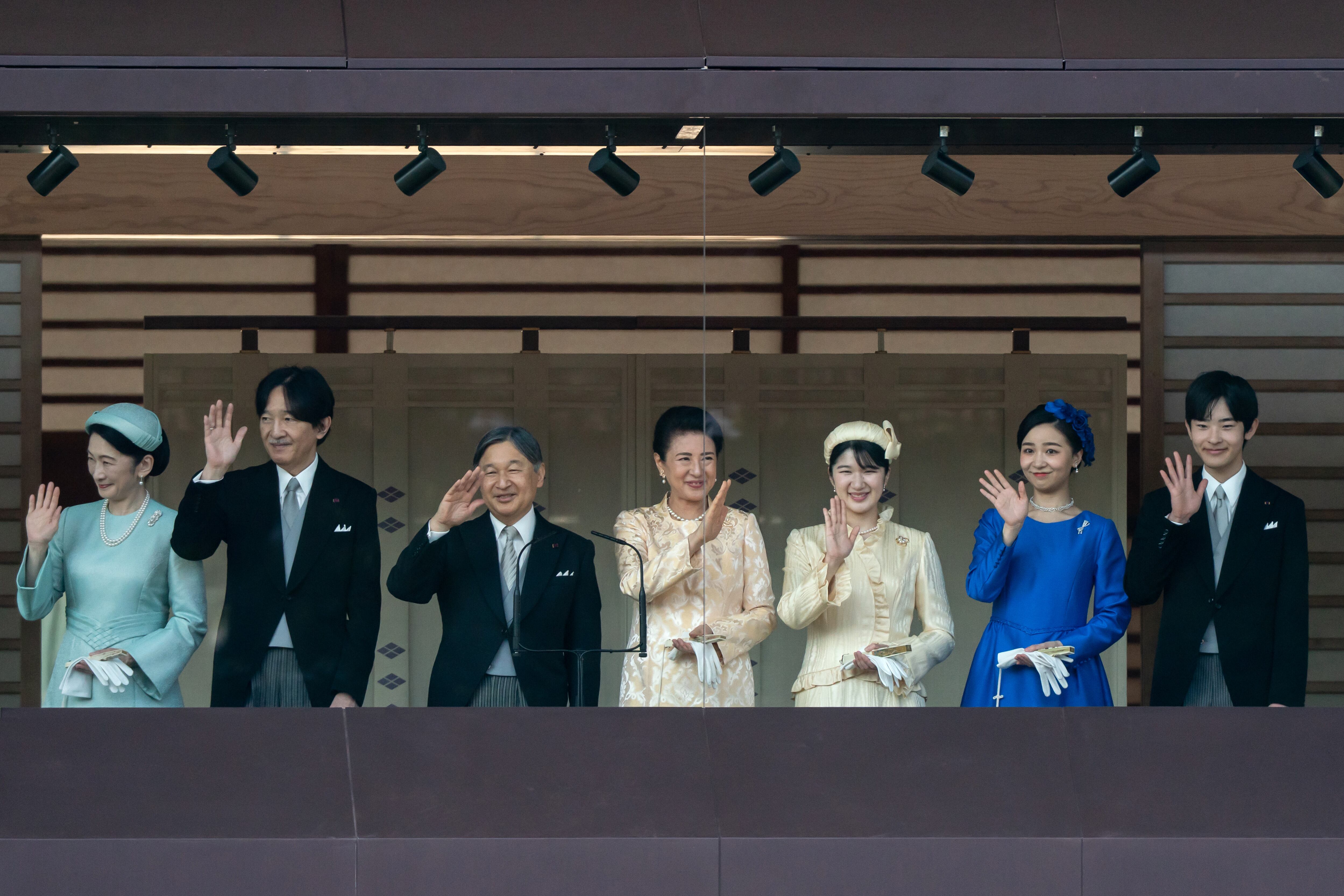
The Japanese Parliament has approved a new reform that maintains the male-only succession to the Chrysanthemum Throne, effectively excluding Princess Aiko, the only child of Emperor Naruhito and Empress Masako, from the line of succession. This decision reaffirms the existing imperial tradition that prioritizes male heirs, despite discussions and public sentiment that had raised hopes for a potential shift towards female succession.
The reform ensures that the imperial lineage will continue through male descendants, a practice deeply rooted in Japanese history and imperial law. While Princess Aiko is the sole child of the current Emperor and Empress, her claim to the throne is superseded by the established rules. This outcome follows years of debate surrounding the imperial succession, with some advocating for modernization of the rules to reflect contemporary societal values, while others emphasized the importance of preserving historical continuity.
Japan's decision to maintain male primogeniture in its imperial succession law highlights a tension between historical continuity and evolving societal norms. While the government cites tradition and stability as justifications, this stance may face increasing scrutiny in a global context where gender equality is a growing imperative. The long-term implications for the imperial institution's relevance and public engagement could be significant, potentially limiting its ability to adapt to future demographic shifts and broader cultural expectations regarding gender roles. Future policy considerations may need to balance the preservation of heritage with the necessity of institutional modernization to ensure enduring legitimacy.
AI-generated to prompt reflection — not editorial opinion, not advice, not a statement of fact. How this works.