Japan's Imperial Succession Law Expanded Amidst Declining Royal Family
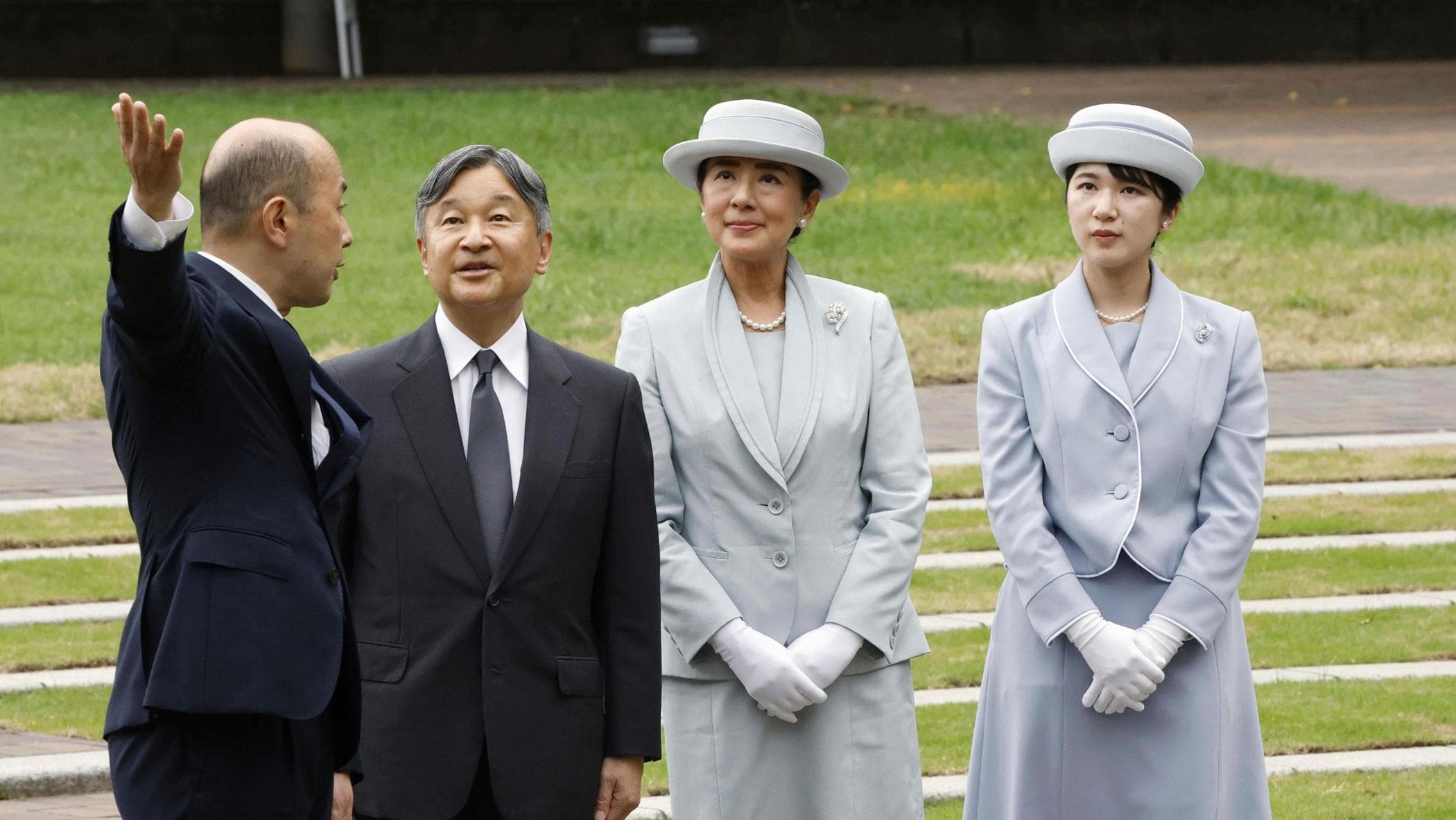
Japan's Parliament has approved a new law aimed at addressing the shrinking size of the imperial family. The legislation allows male members of the imperial family to retain their titles even if they marry individuals without noble status. Furthermore, to bolster the imperial lineage, members from eleven cadet branches of the family can be "adopted" into the main line. This adoption is contingent upon the prospective members being unmarried and childless. Despite these measures to broaden the succession pool, the law still excludes women from ascending to the Chrysanthemum Throne, maintaining a male-only line of succession.
Japan's legislative adjustment to its imperial succession law reflects a pragmatic response to demographic challenges within the royal family. By allowing marriage outside noble circles and enabling adoption from cadet branches, the government seeks to ensure the continuity of the imperial institution. However, the continued exclusion of women from succession highlights a tension between modern societal norms and deeply entrenched patriarchal traditions. This presents a long-term governance challenge, as a shrinking pool of eligible male heirs could eventually necessitate further reforms, potentially forcing a re-evaluation of gender-based succession rules in the face of future demographic realities and evolving public expectations.
AI-generated to prompt reflection — not editorial opinion, not advice, not a statement of fact. How this works.