Japan's 'Leg Hair Harassment' Debate Over Men Wearing Shorts to Work
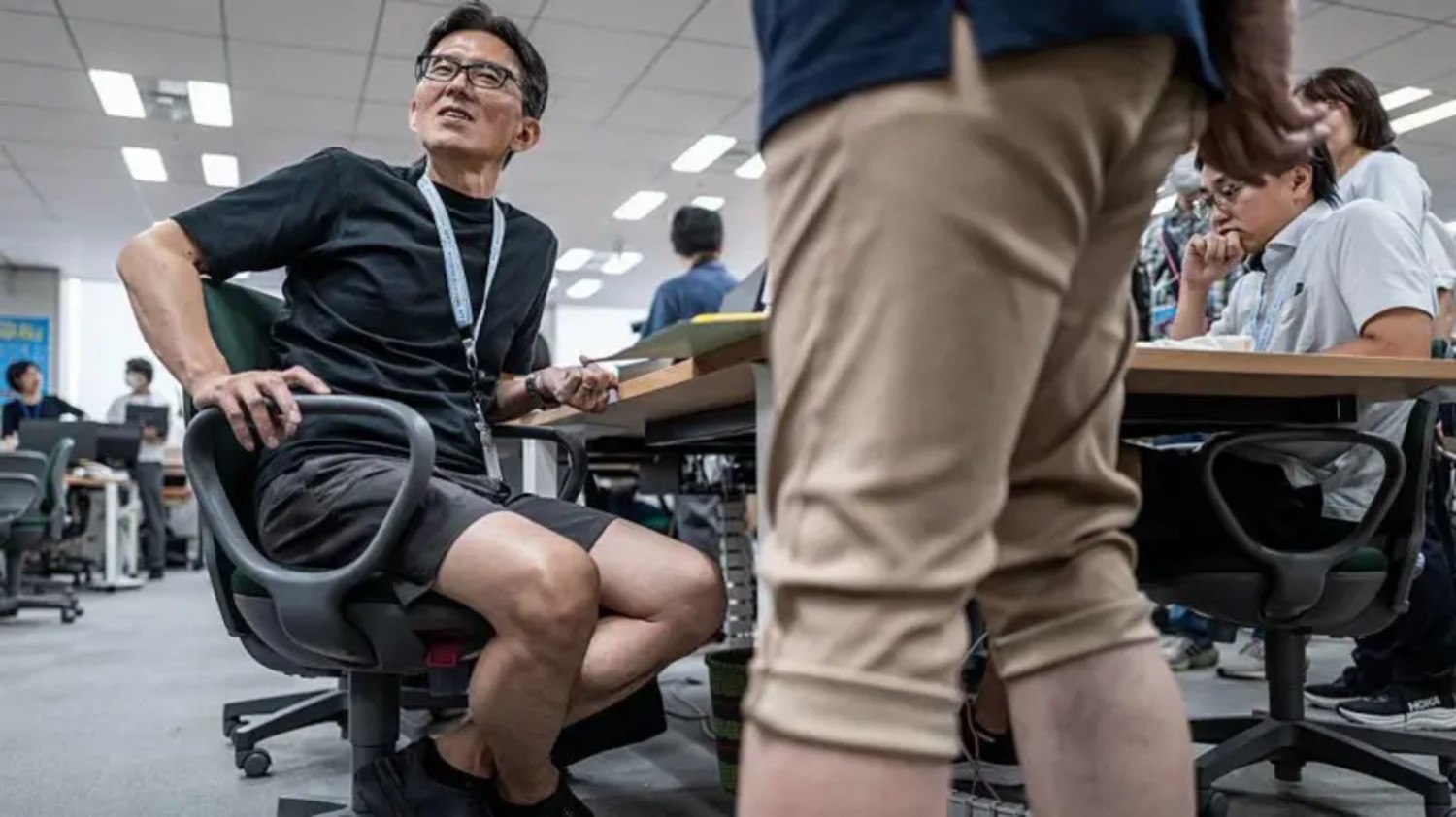
Tokyo's metropolitan government is encouraging men to adopt more casual attire, including shorts, during the summer heat as part of its "Tokyo Cool Biz" initiative. Launched in April by Governor Yuriko Koike, the campaign aims to combat rising temperatures and reduce energy consumption. While some employees welcome the increased comfort, the policy has sparked controversy. Many women feel it is unfair, as they are still expected to wear pantyhose when showing legs, while men are not. This has led to the coining of the internet term "sunehara," or "leg hair harassment," describing the discomfort some women experience seeing their male colleagues' leg hair. A survey by Gorilla Clinic revealed that 53.5% of respondents oppose shorts in the workplace, citing concerns about appearance and body hair, with a significantly higher proportion of women expressing this opposition. The clinic has seen an increase in men seeking hair removal, not just for aesthetic reasons but also for social etiquette, as some women reportedly prefer men to have less leg hair. This trend reflects a broader shift towards more informal work attire in Japan, particularly in tech sectors, with the government's endorsement further normalizing casual dress. The initiative is part of ongoing efforts by Koike, who first promoted similar measures in 2005, to address extreme heat, which has led to multiple heatstroke deaths and hospitalizations in Japan this summer. Alongside traditional advice like hydration and air conditioning, the country is seeing a rise in sales of heat-mitigating products, including fan-equipped clothing and portable fans, as experts emphasize the importance of heat acclimatization.
The Tokyo "Cool Biz" initiative, while intended to mitigate extreme heat and reduce energy use, has inadvertently highlighted societal norms and gendered expectations regarding appearance in the workplace. The controversy surrounding men wearing shorts, and the subsequent emergence of "leg hair harassment," reveals a complex interplay between comfort, professional presentation, and gendered standards of bodily presentation. This situation prompts reflection on how workplace dress codes, even those aimed at practicality, can perpetuate inequalities if not carefully considered through a lens of inclusivity. Future iterations of such campaigns might benefit from a more holistic approach that addresses the discomfort and expectations faced by all genders, potentially through broader discussions on professional attire that prioritizes function and comfort without reinforcing outdated social pressures or creating new forms of subtle discrimination.
AI-generated to prompt reflection — not editorial opinion, not advice, not a statement of fact. How this works.