Japan's Lower House Approves Bill to Restrict Female Succession to Imperial Throne
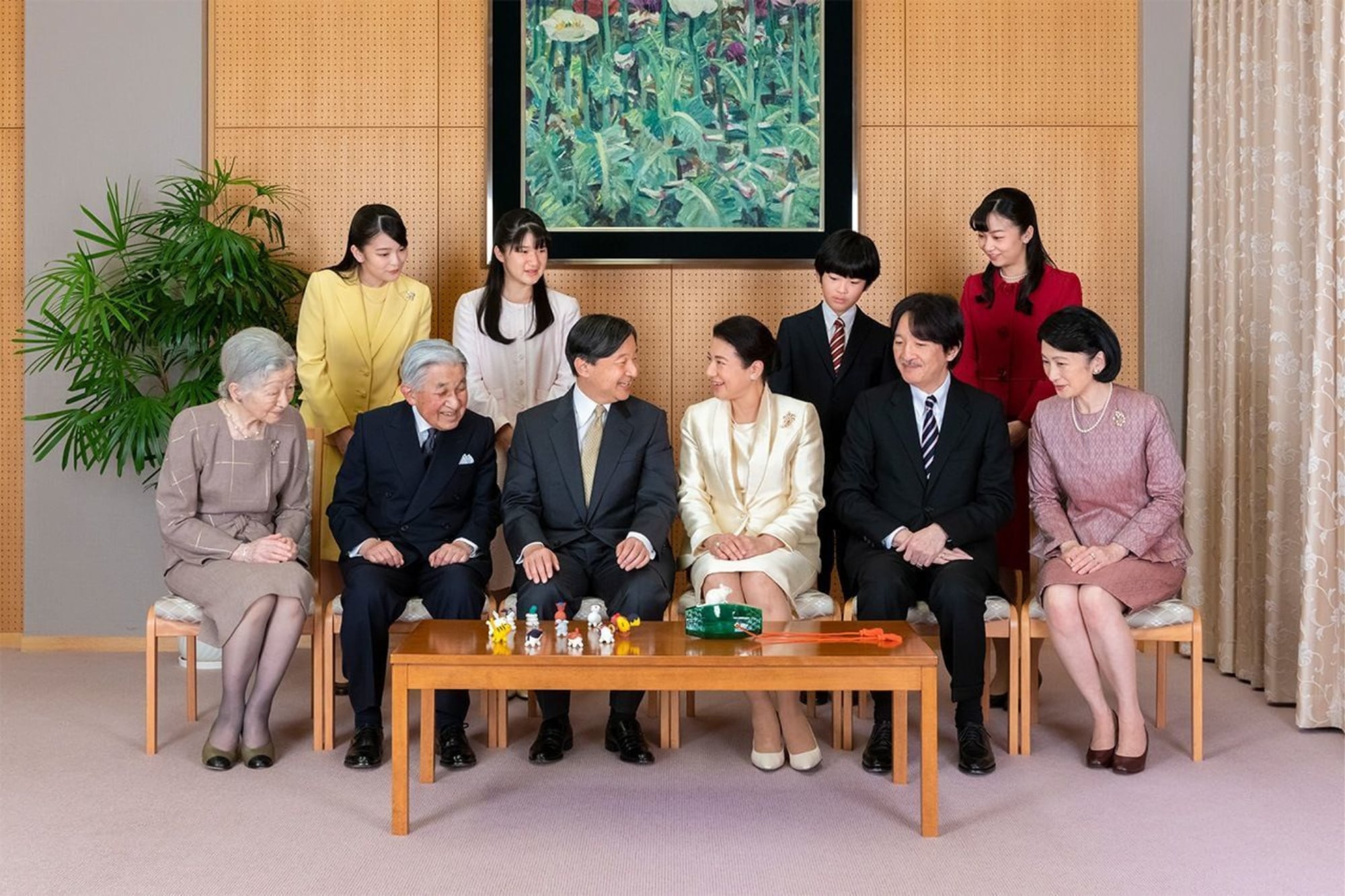
Japan's Lower House of Parliament has approved a revision to the Imperial House Law, effectively blocking any future female succession to the Chrysanthemum Throne. This legislative move aims to preserve the patrilineal line of succession for the world's oldest continuous monarchy. The proposed changes are intended to solidify the male-dominated lineage, ensuring that only male heirs can ascend to the throne. This decision comes amid ongoing discussions about the declining number of male heirs in the Japanese imperial family. The bill now moves to the Upper House for further deliberation and potential approval. The controversy surrounding female succession highlights traditional patriarchal views within Japanese society and the imperial institution itself. Critics argue that such a law is discriminatory and outdated in the 21st century, while proponents emphasize the importance of maintaining historical traditions and lineage continuity.
The Japanese Parliament's advancement of legislation to restrict female succession to the Imperial Throne reflects a complex interplay between deeply entrenched patriarchal traditions and the evolving social landscape. While framed as a measure to preserve historical continuity, this move may face increasing scrutiny in the coming decade as global norms shift towards gender equality. The long-term sustainability of a monarchy with a shrinking pool of male heirs, while simultaneously excluding a significant portion of the population from eligibility, presents a structural contradiction. Future considerations may involve balancing the preservation of imperial lineage with the necessity of adapting to contemporary societal values to ensure the institution's relevance and stability.
AI-generated to prompt reflection — not editorial opinion, not advice, not a statement of fact. How this works.