Japan's Maritime Self-Defense Force Showcases Mine Disposal Drills, Considers Strait of Hormuz Deployment
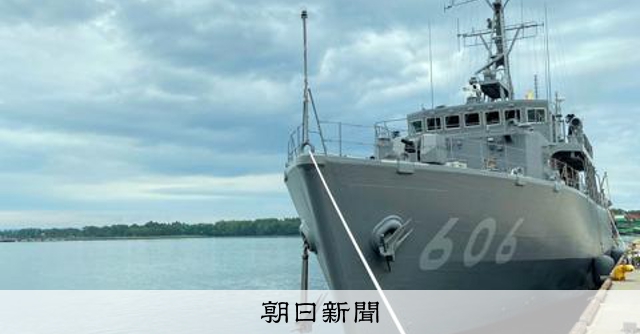
Japan's Maritime Self-Defense Force (MSDF) recently conducted and publicly demonstrated mine disposal training exercises. This training is part of broader efforts to enhance capabilities in maritime security and mine countermeasures. The MSDF is reportedly considering a potential deployment to the Strait of Hormuz, a critical chokepoint for global oil transport. Such a deployment would be aimed at ensuring the safety of shipping lanes in the region, which have experienced heightened tensions. The specific details regarding the timing and scale of any potential deployment remain under consideration. This initiative reflects Japan's commitment to contributing to regional stability and freedom of navigation. The exercises showcased advanced techniques and equipment used by the MSDF in identifying and neutralizing naval mines. The decision to consider deployment to the Strait of Hormuz comes amidst ongoing discussions about international cooperation for maritime security in the Persian Gulf. The MSDF's role would likely focus on non-combatant support and ensuring safe passage for commercial vessels.
The MSDF's public demonstration of mine disposal training and consideration of deployment to the Strait of Hormuz highlights Japan's strategic recalibration towards proactive maritime security. This move signals an intent to balance its post-war pacifist constitution with increasing global responsibilities, particularly in safeguarding vital international shipping lanes. The decision-making process will likely weigh the geopolitical implications and potential risks against the imperative of maintaining global trade flows. Future deployments will be shaped by evolving regional dynamics and the international community's collective approach to maritime security, underscoring the intricate interplay between national defense policy and global economic interests in an increasingly interconnected world.
AI-generated to prompt reflection — not editorial opinion, not advice, not a statement of fact. How this works.