Japan's Minister of Land Approves Kawabegawa Dam Project, Enabling Land Expropriation
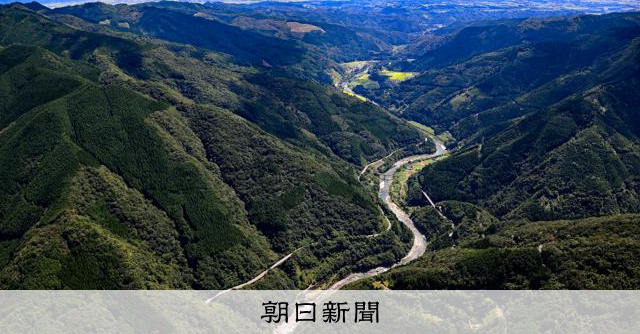
The Japanese Minister of Land, Infrastructure, Transport and Tourism has officially approved the construction of the Kawabegawa Dam in Kumamoto Prefecture. This significant decision, made on March 31, 2023, grants the project official status and crucially enables the compulsory acquisition of land required for its development. The approval paves the way for the dam's construction, a project that has been a subject of considerable debate and local opposition for many years. The Kawabegawa Dam is intended to provide flood control and water management benefits for the downstream regions. However, the decision to proceed with the project, particularly the aspect of forced land acquisition, is expected to reignite concerns among residents and environmental groups. The government asserts that the dam is essential for mitigating the risk of devastating floods in the Kuma River basin, which has experienced severe inundation in recent years. The project's approval marks a critical juncture, moving it closer to physical construction after decades of planning and deliberation. This development will likely lead to further discussions regarding compensation and resettlement for affected landowners.
The approval of the Kawabegawa Dam project, including the provision for compulsory land acquisition, highlights the enduring tension between national infrastructure development goals and local land rights. From a governance perspective, this decision reflects a prioritization of perceived public benefit—flood control and water management—over private property concerns. The long-standing nature of this project suggests a complex interplay of political will, economic considerations, and societal consensus-building challenges. Looking ahead, the implementation phase will test the efficacy of Japan's legal and administrative frameworks in balancing development imperatives with equitable treatment of affected communities, particularly in the context of increasing awareness around environmental sustainability and indigenous land rights in the coming decade.
AI-generated to prompt reflection — not editorial opinion, not advice, not a statement of fact. How this works.