Japan's Ministry of Agriculture registers 'Nihoncha' as a Geographical Indication
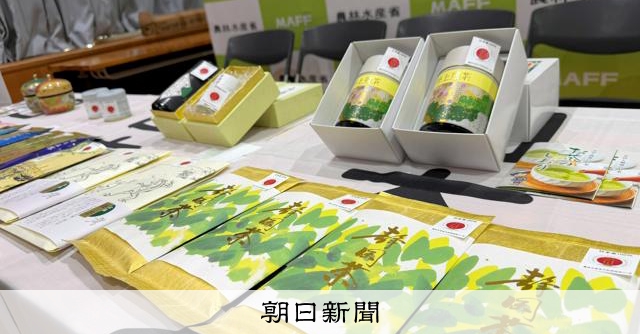
The Ministry of Agriculture, Forestry and Fisheries (MAFF) in Japan has officially registered 'Nihoncha' (Japanese tea) as a Geographical Indication (GI). This registration is expected to strengthen the protection of the Japanese tea brand against imitations and counterfeit products. The GI system aims to safeguard products with distinct regional characteristics and reputations, ensuring consumers can trust their authenticity. By designating 'Nihoncha' as a GI, the ministry intends to preserve the quality and unique identity of Japanese teas. This move is anticipated to boost the value and competitiveness of Japanese tea in both domestic and international markets. The registration is a significant step towards protecting the intellectual property associated with traditional Japanese agricultural products. It underscores the government's commitment to supporting its agricultural sector and promoting high-quality Japanese goods globally. The initiative is expected to benefit tea producers across Japan by providing a legal framework to combat unfair competition and maintain the integrity of the 'Nihoncha' brand.
The registration of 'Nihoncha' as a Geographical Indication by Japan's Ministry of Agriculture signifies a strategic effort to leverage intellectual property rights for brand protection and market differentiation. This move aligns with global trends where origin-based branding is increasingly valued, particularly for premium agricultural products. By establishing a formal GI, Japan aims to create a barrier against imitations, thereby preserving the premium positioning and economic value of its tea industry. This approach can foster greater consumer trust and potentially command higher prices, benefiting producers. However, the long-term success will depend on robust enforcement mechanisms and effective global promotion to ensure the GI status translates into tangible market advantages and prevents circumvention by sophisticated counterfeit operations. The initiative also highlights the broader challenge for nations to protect their unique cultural and agricultural heritage in an increasingly globalized marketplace.
AI-generated to prompt reflection — not editorial opinion, not advice, not a statement of fact. How this works.