Japan's 'Most Difficult' Linear Tunnel Project Reaches Depths Equivalent to Two Skytrees
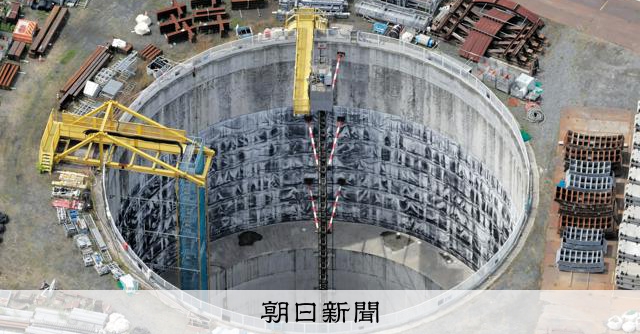
The construction of the Linear Chuo Shinkansen, often referred to as Japan's "most difficult construction," involves tunneling to significant depths. Recent reports indicate that the tunnel's depth will reach approximately 100 meters, a figure comparable to the height of two Tokyo Skytrees stacked vertically. This immense depth presents considerable engineering challenges, necessitating advanced techniques and rigorous safety protocols. The project aims to connect Tokyo and Nagoya with high-speed rail, significantly reducing travel times between the two major cities. The construction is proceeding despite these complex geological and engineering hurdles. The scale of this underground infrastructure project highlights Japan's commitment to developing cutting-edge transportation networks. The successful completion of these deep tunnels is critical for the overall viability and timely opening of the entire Linear Chuo Shinkansen line. The project's progress is being closely monitored by engineering experts and the public alike.
The ambitious depth of the Linear Chuo Shinkansen tunnels underscores a global trend towards subterranean infrastructure development, driven by urban density and the need for high-speed transit. While such projects showcase advanced engineering capabilities, they also highlight the substantial financial and environmental risks associated with deep tunneling. The significant investment required necessitates careful long-term planning to ensure economic viability and public benefit. Furthermore, the project's success will depend on robust risk management strategies to mitigate unforeseen geological challenges and maintain public trust in large-scale infrastructure endeavors. The long-term implications for urban connectivity and economic development warrant ongoing scrutiny.
AI-generated to prompt reflection — not editorial opinion, not advice, not a statement of fact. How this works.