Japan's Mysterious World Cup Pattern: Predicting the Champion Since 2002?
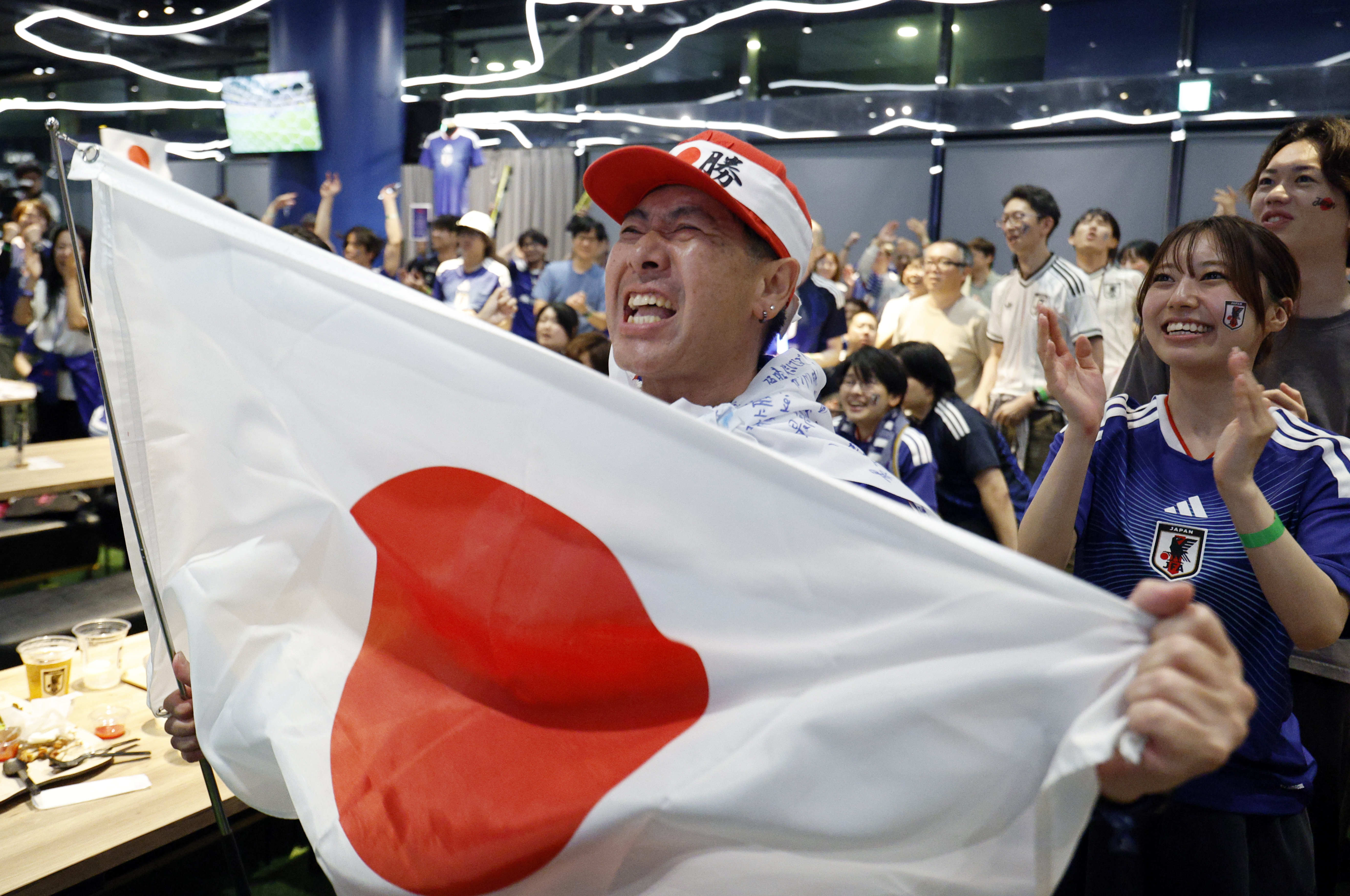
Despite their elimination from the current World Cup, the Japanese national football team has sparked interest due to a peculiar pattern observed since the 2002 tournament. This pattern suggests that Japan's performance might inadvertently predict the eventual World Cup champion. The phenomenon has been noted by observers and fans alike, drawing attention to the team's results in relation to the tournament's final outcome. While Japan did not advance further in this year's competition, the recurring trend has led to discussions about its statistical significance or mere coincidence. The pattern specifically tracks how Japan's progression, or lack thereof, aligns with the path of the winning nation. This has become a curious talking point among football enthusiasts, adding an unexpected layer of intrigue to the World Cup narrative beyond the on-field action.
The observed pattern linking Japan's World Cup performance to the eventual champion, starting in 2002, presents an interesting case for statistical analysis versus narrative coincidence. While intriguing, such correlations often arise from the vast number of variables in a complex tournament like the World Cup. Attributing predictive power to a single team's results, especially after their elimination, risks oversimplification. Future analysis could explore whether this pattern holds across other sports or different tournament structures, or if it's a unique artifact of specific World Cup dynamics. Understanding the underlying mechanisms, if any, could offer insights into tournament unpredictability and the human tendency to find order in randomness, particularly within the context of global sporting events.
AI-generated to prompt reflection — not editorial opinion, not advice, not a statement of fact. How this works.