Japan's Nuclear Regulator Finds Security Lapses at Fukushima
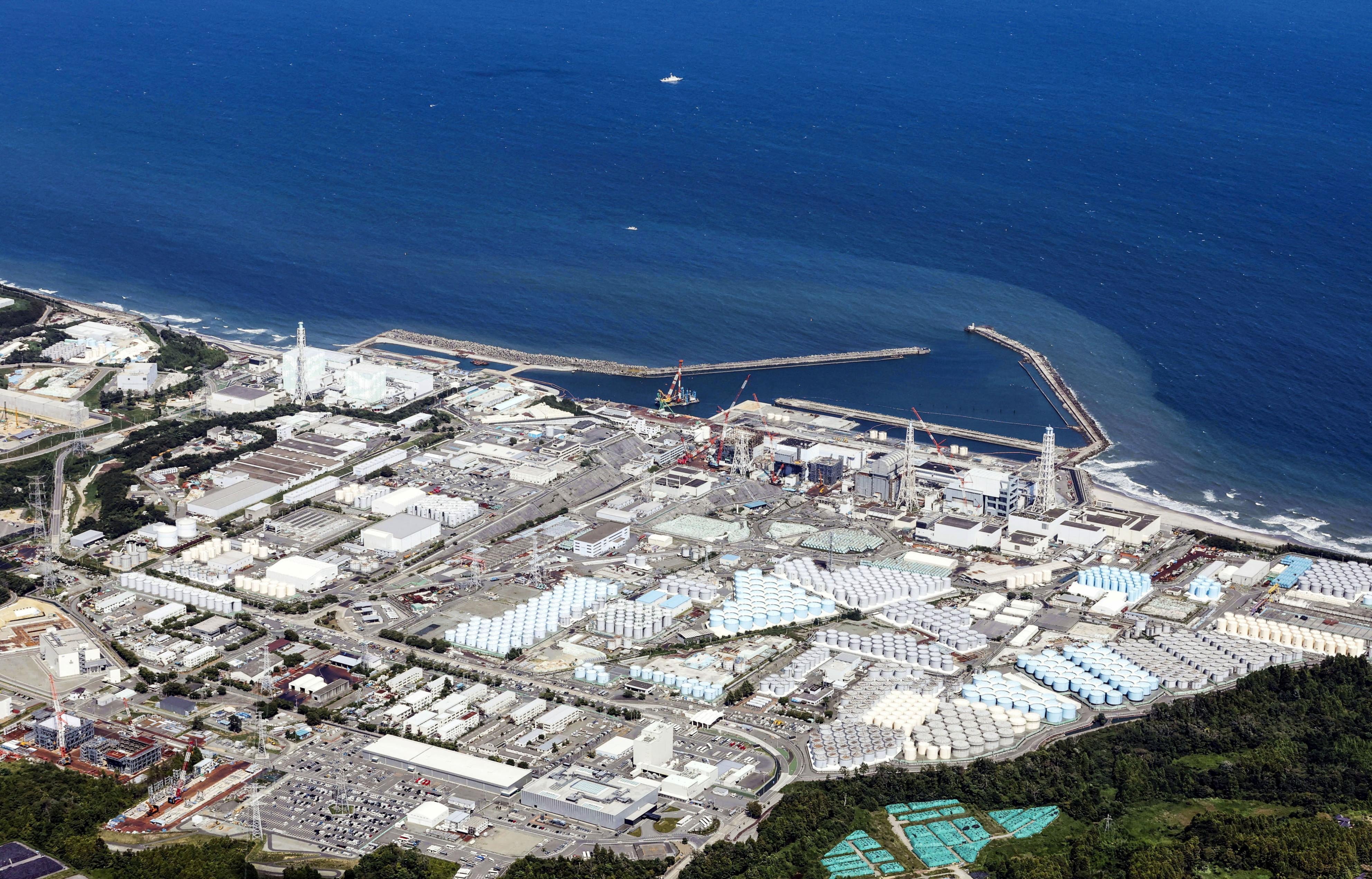
Japan's Nuclear Regulation Authority has identified security failures related to anti-terrorism measures at the Fukushima Daiichi nuclear power plant. Preliminary investigations revealed that an employee had been copying documents. This copying of sensitive information occurred both at the headquarters of the Tokyo Electric Power Company (TEPCO) and at the Kashiwazaki-Kariwa nuclear plant. The unauthorized document copying has been ongoing since 2020. The discovery raises concerns about the security protocols in place at critical nuclear facilities in Japan. Further details regarding the nature of the copied documents and the extent of the breach are expected as the investigation progresses. The incident underscores the importance of robust cybersecurity and insider threat mitigation strategies within the nuclear industry.
The identification of anti-terrorism security failures at the Fukushima Daiichi plant, including unauthorized document copying since 2020, highlights systemic vulnerabilities in critical infrastructure protection. Such incidents suggest potential gaps in insider threat detection and data security protocols, which are paramount for nuclear facilities. The long duration of the observed activity raises questions about the effectiveness of existing oversight mechanisms and the adequacy of TEPCO's internal controls. Moving forward, a comprehensive review of security clearances, data access policies, and real-time monitoring systems will be crucial. This situation necessitates a proactive approach to cybersecurity, anticipating evolving threats in the digital age to safeguard against potential misuse of sensitive nuclear information and ensure public safety.
AI-generated to prompt reflection — not editorial opinion, not advice, not a statement of fact. How this works.