Japan's Nuclear Revival: A Denial Wall Against Disasters?
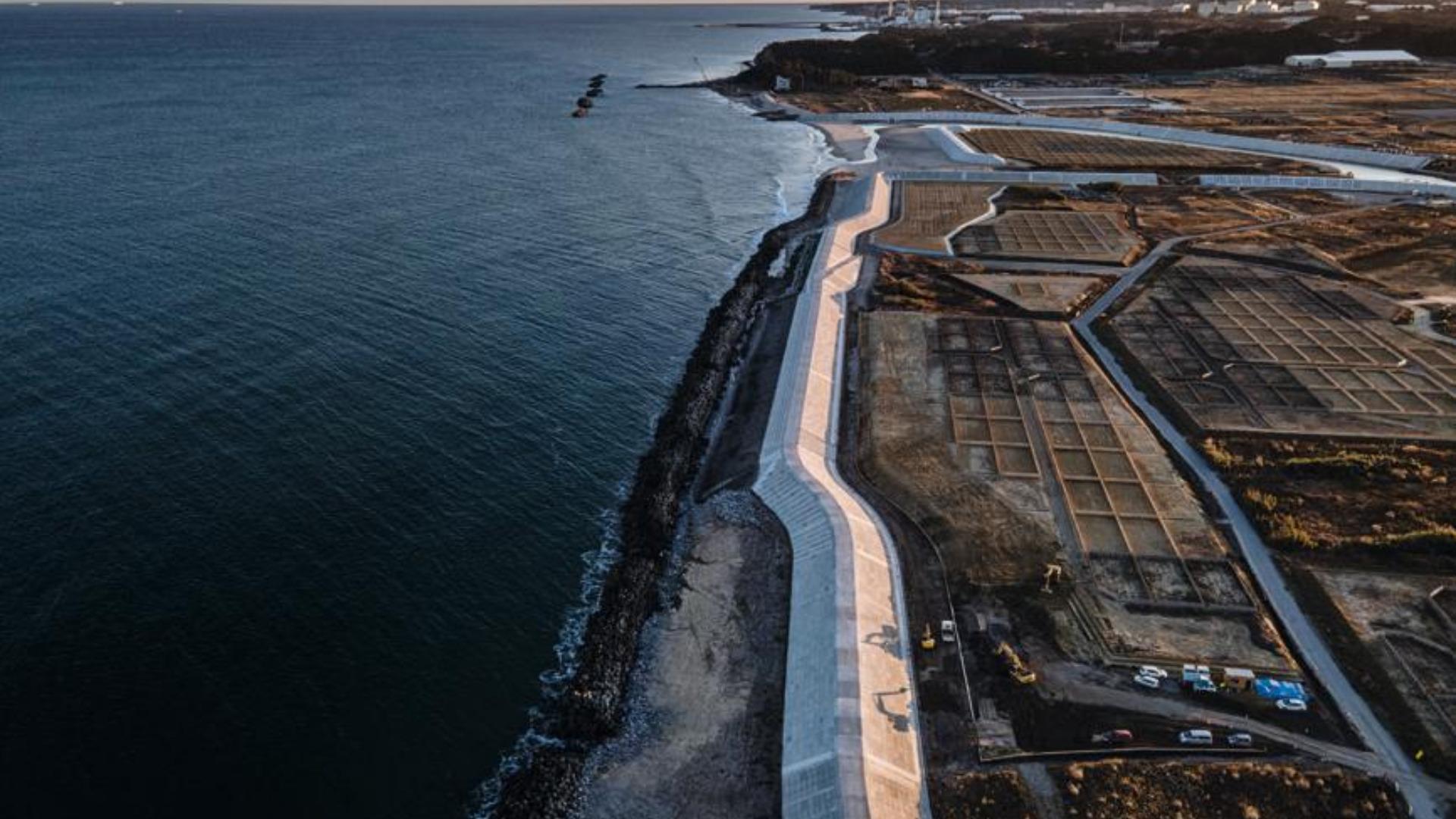
Fifteen years after the devastating 2011 tsunami, Japan has completed the construction of a 400-kilometer sea wall intended to protect the nation from future tidal waves. However, some critics view this massive infrastructure project as a symbolic act of denial, suggesting it reflects an unwillingness to prepare for the worst-case scenarios. This perspective draws a parallel to the events leading up to the Fukushima nuclear disaster, where a similar denial of potential risks is argued to have exacerbated the catastrophe. Amidst this backdrop, Japan is actively accelerating the revival of its nuclear power industry. The completion of the sea wall, while a significant engineering feat, raises questions about whether it truly addresses the underlying vulnerabilities that led to the Fukushima crisis, or if it represents a superficial solution that allows for the continuation of nuclear energy development without fully confronting past lessons.
Japan's extensive sea wall construction, completed fifteen years after the 2011 tsunami, represents a significant investment in physical defenses against natural disasters. However, the critique that this infrastructure embodies a "wall of denial" suggests a potential disconnect between tangible protective measures and a comprehensive risk assessment strategy. The parallel drawn to the Fukushima disaster highlights a recurring theme in disaster management: the tension between perceived security and the proactive mitigation of systemic vulnerabilities. As Japan simultaneously revives its nuclear industry, the nation faces a complex challenge in balancing energy needs with the imperative for robust safety protocols and transparent risk communication. The long-term efficacy of physical barriers must be assessed alongside the continuous evolution of safety standards and emergency preparedness, particularly in light of the inherent risks associated with nuclear power and the potential for unforeseen environmental events.
AI-generated to prompt reflection — not editorial opinion, not advice, not a statement of fact. How this works.