Japan's Rugby Union Aims to Bridge the Gap in Foundational Strength After Player-Led Success
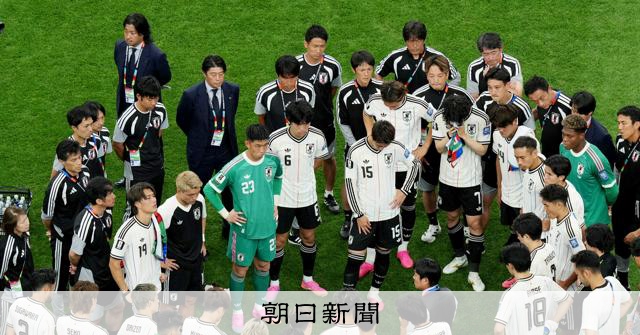
Following a period of player-driven success, Japan's Rugby Union is now focusing on addressing the fundamental differences in strength and development that exist compared to top global rugby nations. The organization recognizes that while individual player skill and determination have propelled the team to new heights, a more robust and comprehensive approach to the sport's foundation is necessary for sustained international competitiveness. This strategic shift involves identifying key areas for improvement within the domestic rugby structure, from grassroots development to professional league standards. The union is committed to creating a clear pathway to bridge the gap in foundational strength, ensuring that future generations of Japanese rugby players have the resources and support needed to compete at the highest level. The initiative aims to build a more resilient and powerful rugby ecosystem within Japan.
The Japanese Rugby Union's strategic pivot towards strengthening foundational elements reflects a common challenge faced by emerging rugby nations. While player-driven success can create significant momentum and public interest, long-term competitiveness hinges on robust domestic structures, including player development pipelines, coaching expertise, and league infrastructure. The union's focus on 'foundational strength' suggests an understanding that sustainable high performance requires systemic investment rather than relying solely on individual talent. This approach, if effectively implemented, could foster a more resilient rugby ecosystem, capable of consistently producing world-class talent and challenging established rugby powerhouses in the coming decade. The success of this initiative will likely depend on sustained commitment to grassroots development and the integration of advanced performance science across all levels of the sport.
AI-generated to prompt reflection — not editorial opinion, not advice, not a statement of fact. How this works.