Japan's Ruling Party Approves PM's Plan to Cut Consumption Tax by 1%
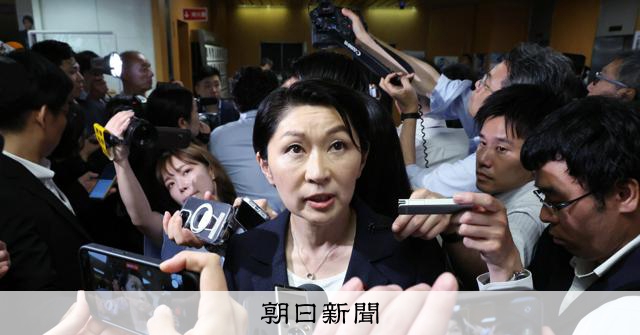
Japan's ruling Liberal Democratic Party (LDP) tax panel has approved Prime Minister Fumio Kishida's policy to reduce the consumption tax by 1%. This decision marks a significant victory for proponents of the tax cut within the party, who have been advocating for this measure. The move is expected to stimulate domestic demand and provide relief to consumers facing rising prices. The exact timeline for the implementation of the tax reduction has not yet been finalized, but the approval signifies a strong political will to proceed.
This policy shift comes amid ongoing economic challenges, including inflation and sluggish growth. The LDP's tax panel, often a site of intense debate, has now signaled its alignment with the Prime Minister's economic agenda. The 1% reduction is anticipated to be a key component of the government's broader strategy to boost the Japanese economy. Further details regarding the scope and conditions of the tax cut are expected to be announced in the coming months as the government prepares its budget and legislative proposals.
The approval of a 1% consumption tax reduction by Japan's LDP tax panel reflects a political response to economic pressures, potentially aiming to boost consumer spending and address inflationary concerns. This policy decision highlights the ongoing tension between fiscal consolidation and economic stimulus within Japanese governance. From a systemic perspective, such tax adjustments can influence consumption patterns, corporate investment decisions, and government revenue streams. The long-term impact will depend on whether this measure provides sustainable economic uplift or merely a temporary boost, and how it integrates with other fiscal and monetary policies in navigating the evolving global economic landscape and the demographic challenges characteristic of Japan.
AI-generated to prompt reflection — not editorial opinion, not advice, not a statement of fact. How this works.
