Japan's Senate Debates Controversial "Sub-Capital" Bill Amidst Criticism
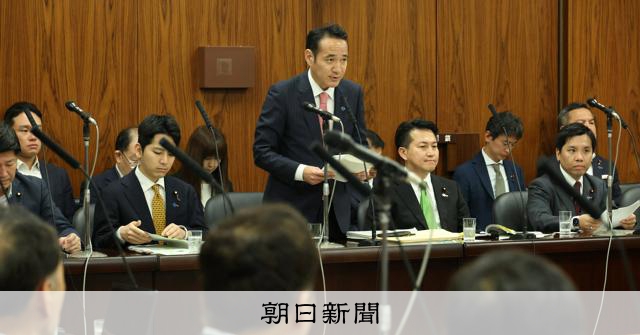
The Japanese Senate has begun deliberations on a bill to establish a "sub-capital" city, a move that has drawn sharp criticism from opposition lawmakers. Opponents argue that the bill represents a "privatization of the National Diet" and that the voices of the public are not being heard in its creation. The specifics of the bill and the proposed location for this sub-capital have not yet been detailed in the initial reports of the debate. The debate highlights a significant divide in the political landscape regarding urban development and national planning. The ruling party is pushing for the bill's passage, emphasizing potential benefits for national resilience and economic distribution. However, the opposition remains steadfast in its concerns about the legislative process and the potential implications for democratic representation. Further discussions are expected to delve into the financial implications and the long-term vision for Japan's administrative structure. The outcome of this debate could significantly shape the future of Japan's governance and urban planning strategies.
The proposed "sub-capital" legislation in Japan raises questions about the centralization of power and the legislative process. Critics' concerns about "privatization of the National Diet" suggest a potential imbalance in how national priorities are set, possibly favoring executive or ruling party interests over broader public consensus. The debate highlights a common tension between efficient governance and democratic inclusivity. As Japan navigates future challenges, including demographic shifts and technological advancements, the efficacy of such large-scale infrastructure and administrative reforms will depend on transparent decision-making and robust public engagement. The long-term success of a "sub-capital" would likely hinge on its ability to foster genuine regional development and decentralize critical functions without creating new inefficiencies or exacerbating existing inequalities.
AI-generated to prompt reflection — not editorial opinion, not advice, not a statement of fact. How this works.