Japan's 'Sub-Capital' Bill Passes Lower House, Future Challenges Ahead
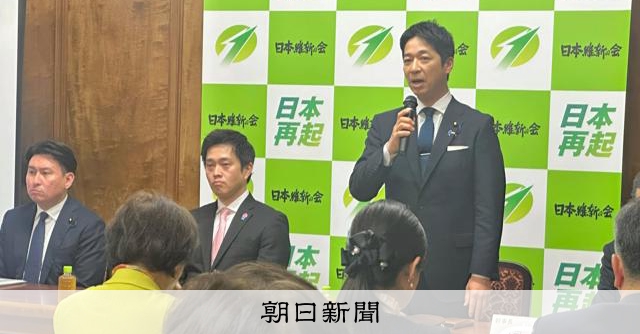
A bill to establish a "sub-capital" in Japan has successfully passed the House of Representatives. This legislation aims to create a secondary center of government and administration, potentially alleviating the concentration of functions in Tokyo. The exact location and specific functions of this "sub-capital" are still under discussion, but the move signifies a significant step towards decentralizing power and functions away from the current capital. The passage of the bill in the lower house marks a crucial milestone, though numerous challenges lie ahead. These include securing political consensus on the "sub-capital's" location, defining its administrative scope, and allocating the necessary financial resources. Public opinion and regional development considerations will also play a vital role in shaping the implementation process. The government's next steps will involve navigating these complexities to ensure the "sub-capital" effectively serves its intended purpose. Further deliberation and potential amendments are expected as the bill moves through the legislative process. The ultimate success of this initiative will depend on its ability to foster balanced national development and enhance administrative resilience.
The passage of the "sub-capital" bill reflects a strategic governmental effort to address the over-concentration of resources and administrative functions in Tokyo. This initiative, viewed through a long-term lens, could potentially foster more equitable regional development and enhance national resilience against localized crises. However, the success of such a decentralization strategy hinges on robust governance frameworks that ensure efficient resource allocation and prevent the emergence of new bureaucratic inefficiencies. Future challenges will likely involve managing inter-regional competition and ensuring that the "sub-capital" complements, rather than duplicates, existing governmental structures. The long-term implications for national infrastructure, economic distribution, and administrative efficacy warrant careful monitoring over the next decade.
AI-generated to prompt reflection — not editorial opinion, not advice, not a statement of fact. How this works.