Japan's Tankers Caught in Shifting Ceasefire, Hormuz Strait Tightens
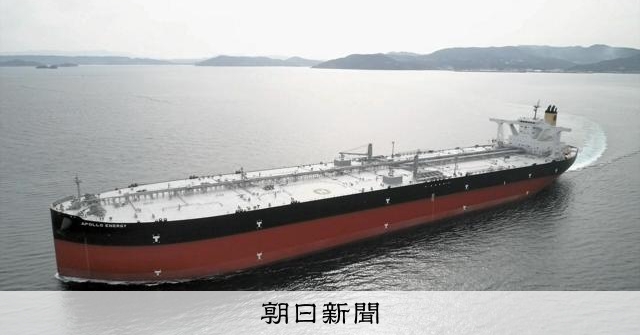
Japan's oil tankers are once again navigating the volatile waters of the Hormuz Strait, a critical chokepoint for global oil transport. The situation is exacerbated by a wavering ceasefire agreement, which has increased tensions and uncertainty in the region. This instability directly impacts Japan, a nation heavily reliant on imported oil, making the safe passage of its tankers a matter of national economic security. The renewed narrowing of the Hormuz Strait signifies a heightened risk for maritime traffic, potentially leading to supply disruptions and increased shipping costs. The geopolitical dynamics at play are complex, with regional powers and international actors vying for influence, creating a precarious environment for commercial shipping. Japan, as a major consumer of oil, finds itself particularly vulnerable to these fluctuations in regional stability. The effectiveness and longevity of the current ceasefire remain in question, leaving the future of safe passage through the Strait uncertain. This situation underscores the ongoing challenges faced by international trade in regions prone to conflict and political instability. The implications extend beyond Japan, affecting global energy markets and the economies of numerous importing nations.
The geopolitical fragility surrounding the Hormuz Strait, amplified by a fluctuating ceasefire, presents a recurring systemic risk to global energy supply chains. Japan's reliance on imported oil positions it as a key stakeholder susceptible to regional instability, highlighting the strategic importance of maritime security. The economic implications of transit disruptions underscore the tension between national energy needs and the volatile political landscapes of key transit zones. Future considerations must involve diversified energy sourcing and enhanced diplomatic frameworks to mitigate the impact of such geopolitical uncertainties on international trade and economic stability.
AI-generated to prompt reflection — not editorial opinion, not advice, not a statement of fact. How this works.