Japan's Tuna Quotas: What Happens to Discarded Black Diamonds and Affordable Prices?
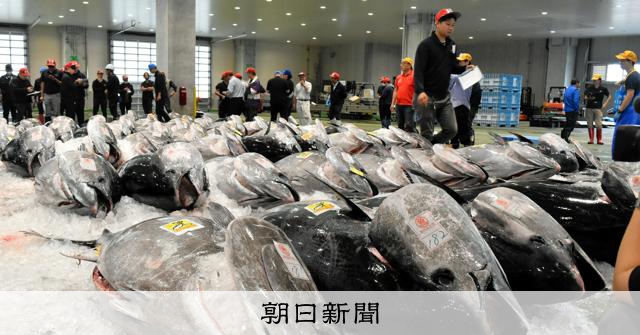
The article discusses the fate of Japan's tuna fishing quotas, referring to tuna as "black diamonds." It raises questions about how these quotas are managed and whether they contribute to the availability of affordable tuna for consumers. The headline suggests a concern that valuable resources might be wasted or that current practices hinder access to reasonably priced tuna. The piece likely delves into the complexities of fisheries management, international regulations, and the economic factors influencing tuna prices. It aims to explore the disconnect between the fishing industry's output and the consumer's desire for affordable seafood. The implications of quota systems on sustainability and market accessibility are central to the discussion. The article seeks to understand the current state of tuna fishing and its potential impact on future availability and cost.
The management of international fishing quotas, particularly for valuable species like tuna, presents a complex interplay of conservation goals and market demands. The reference to "black diamonds" highlights the economic significance of these resources. The core issue appears to be the potential for inefficiency or misallocation within the quota system, which could affect both the sustainability of tuna populations and consumer affordability. Examining the governance structures and enforcement mechanisms of these quotas is crucial to understanding whether they effectively balance ecological preservation with equitable access to seafood. Future considerations should include how evolving consumer preferences and technological advancements in fishing and monitoring might reshape these systems over the next decade.
AI-generated to prompt reflection — not editorial opinion, not advice, not a statement of fact. How this works.