Japan Shopping Center Explodes 80 Minutes After 7.1 Magnitude Earthquake
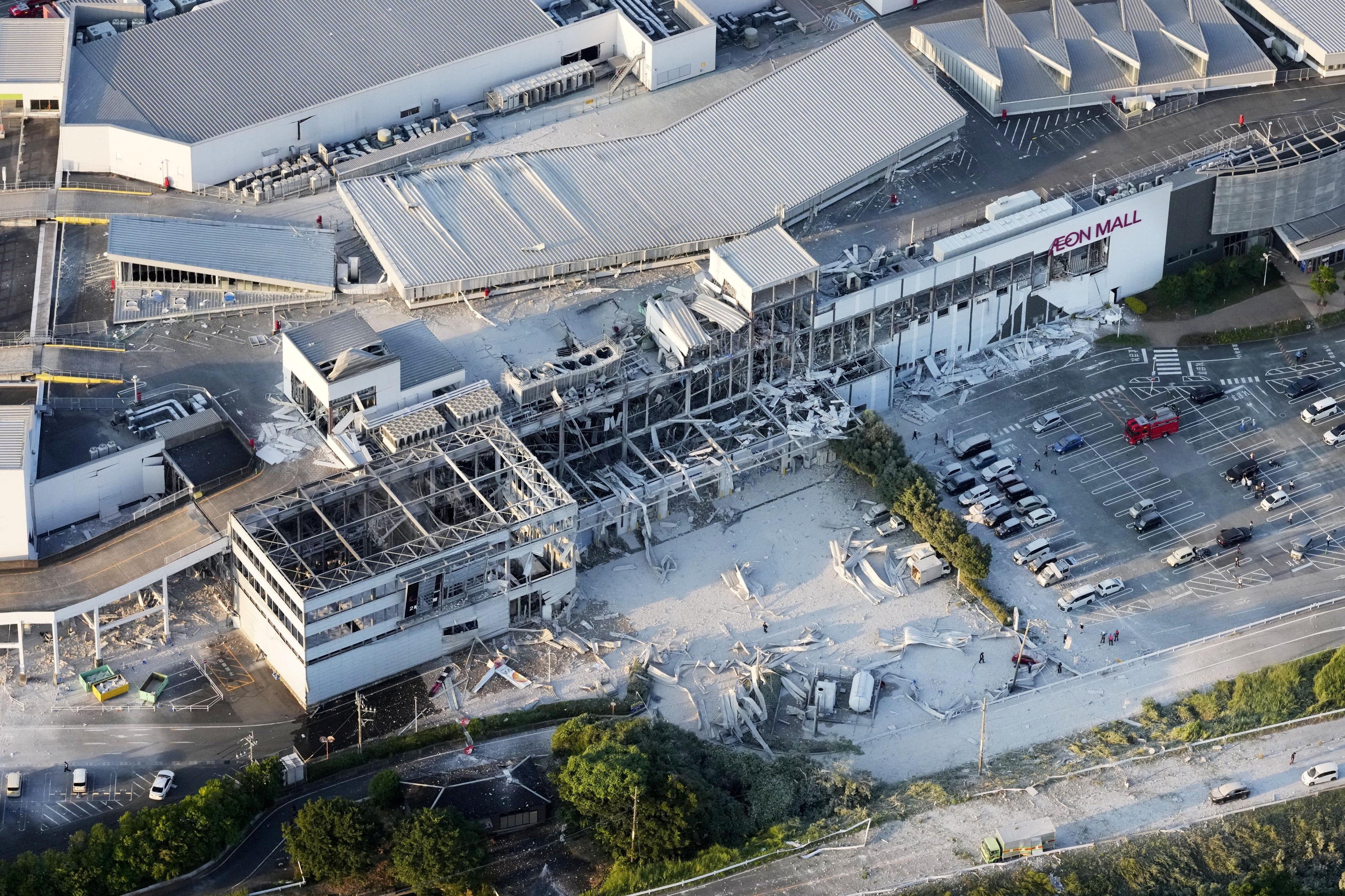
A shopping center in Kumamoto, southern Japan, experienced a significant explosion approximately 80 minutes after a magnitude 7.1 earthquake struck the region on Tuesday, July 28th. The Aeon Mall had initially withstood the tremor, which lasted about ten seconds, and successfully evacuated over 3,000 customers before the incident. Despite the shaking, the building's structure held up, and employees were believed to have also evacuated safely. However, some staff members remained in the building or returned for unknown reasons.
Around 80 minutes post-earthquake, an explosion occurred, causing a portion of the building to collapse, including the second floor, and scattering debris into the parking lot. The blast resulted in three fatalities, with other employees still missing. The affected shopping center had recently reopened in June following extensive renovations aimed at improving its earthquake resistance, especially after sustaining damage from a 2016 earthquake. The company, Aeon, stated that the structure was designed to withstand major seismic events. While the building's integrity against the earthquake itself was maintained, the explosion, which authorities suspect was caused by a liquefied petroleum gas (LPG) leak from an external tank, led to its partial destruction. Despite safety inspections and automatic shut-off mechanisms for gas systems, investigators are working to determine why these safety features failed to prevent the catastrophic explosion.
The incident highlights a critical failure in safety systems designed to protect against cascading disasters. While the building's structural integrity against seismic activity was reportedly enhanced, the subsequent explosion, attributed to a potential LPG leak, indicates a vulnerability in the integration of disaster preparedness across different risk types. The timeline suggests that evacuation protocols, while successful for customers, may not have adequately accounted for all personnel remaining on-site or returning. Future resilience planning must consider the complex interplay between seismic events and the integrity of utility systems, especially those involving flammable materials. Understanding why automated safety mechanisms failed to activate or were overridden is crucial for preventing similar tragedies and ensuring that post-earthquake recovery efforts do not introduce new, unforeseen hazards.
AI-generated to prompt reflection — not editorial opinion, not advice, not a statement of fact. How this works.