Japan Tests Starlink-Equipped Fire Hydrant Signs for Emergency Wi-Fi
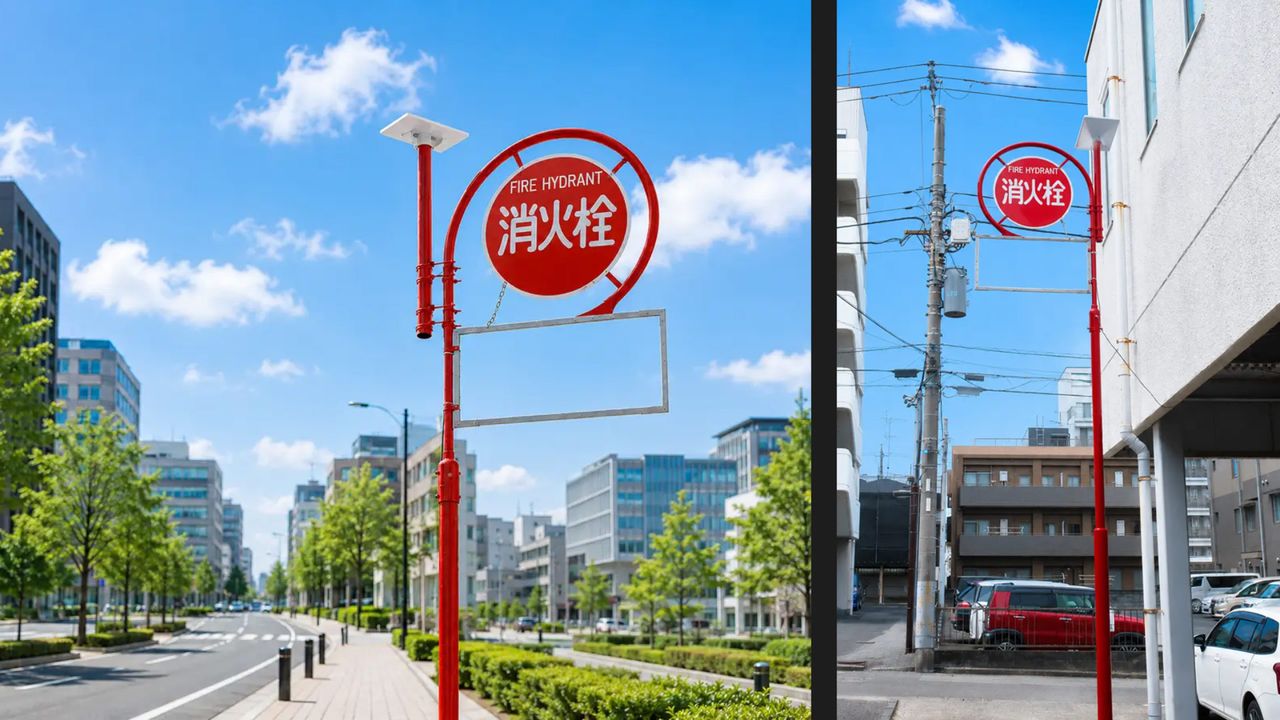
Japan's Fire Hydrant Sign Co., Ltd. has successfully demonstrated a novel approach to establishing emergency Wi-Fi networks by integrating Starlink satellite broadband antennas with their existing infrastructure of fire hydrant signs. This initiative aims to leverage the widespread grid of street-level furniture, commonly found across Japan, as a fallback communications network. The company's demonstration showcases how these signs can be repurposed to provide crucial connectivity in disaster-prone areas. By combining established physical infrastructure with advanced satellite technology, the project seeks to create a resilient communication system. This could be vital for emergency services and public access during times of crisis. The widespread nature of fire hydrant signs makes them an ideal candidate for rapid deployment of communication nodes. This innovation addresses the need for reliable internet access when terrestrial networks are compromised. The company's forward-thinking approach utilizes existing assets to build a more robust digital infrastructure.
This initiative by Japan's Fire Hydrant Sign Co., Ltd. represents a pragmatic approach to enhancing disaster resilience by repurposing existing urban infrastructure for critical communication needs. By integrating Starlink's satellite broadband, the company is addressing a key vulnerability in disaster preparedness: the fragility of terrestrial communication networks. The strategy leverages a distributed, readily available asset base, potentially offering a cost-effective and rapidly deployable solution compared to building entirely new infrastructure. This model could inform urban planning and disaster management strategies globally, highlighting the potential of 'smart city' concepts that integrate communication capabilities into everyday urban furniture. The long-term success will depend on factors such as regulatory approvals, maintenance of the integrated units, and the scalability of the network's bandwidth to meet demand during emergencies.
AI-generated to prompt reflection — not editorial opinion, not advice, not a statement of fact. How this works.