Japan to Include Learning on Eugenics Law and Hansen's Disease in Next Curriculum
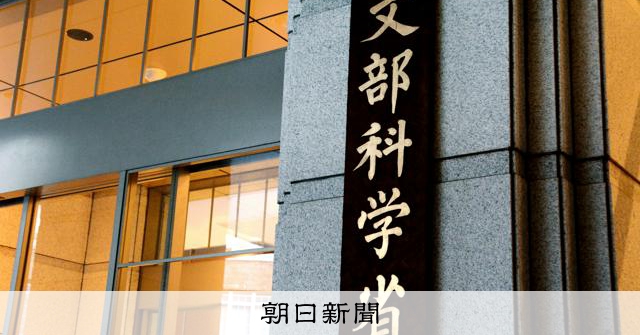
Japan's Ministry of Education, Culture, Sports, Science and Technology (MEXT) plans to explicitly mention the former Eugenic Protection Law and Hansen's disease (leprosy) in social studies and other subjects for the next curriculum guidelines. This decision aims to ensure students learn about these historical issues and their impact.
The Eugenic Protection Law, enacted in 1948 and fully repealed in 1996, allowed for forced sterilization of individuals with disabilities and those deemed to have hereditary defects. Hansen's disease patients faced severe discrimination and segregation for decades, with many forced into isolated sanatoriums.
By incorporating these topics into the national curriculum, MEXT hopes to foster a deeper understanding of human rights, discrimination, and the importance of social inclusion. The inclusion is expected to be formalized in the revised curriculum guidelines, which will be implemented starting in the 2025 academic year for elementary schools and the 2026 academic year for junior and senior high schools. This move reflects a broader societal effort to confront past injustices and promote a more equitable future.
The inclusion of the former Eugenic Protection Law and Hansen's disease in Japan's national curriculum signifies a governmental effort to address historical human rights abuses and societal discrimination. This pedagogical approach aims to cultivate a more informed citizenry, capable of recognizing and preventing similar injustices in the future. By integrating these sensitive topics, the curriculum seeks to foster critical thinking about social policy, ethical considerations, and the long-term consequences of state-sanctioned discrimination. The initiative reflects a broader trend of educational systems globally confronting difficult historical narratives to promote social justice and human rights awareness, preparing students for the complexities of an increasingly interconnected and rights-conscious world.
AI-generated to prompt reflection — not editorial opinion, not advice, not a statement of fact. How this works.