Japan trials AI facial recognition cameras to find missing persons amid privacy debate
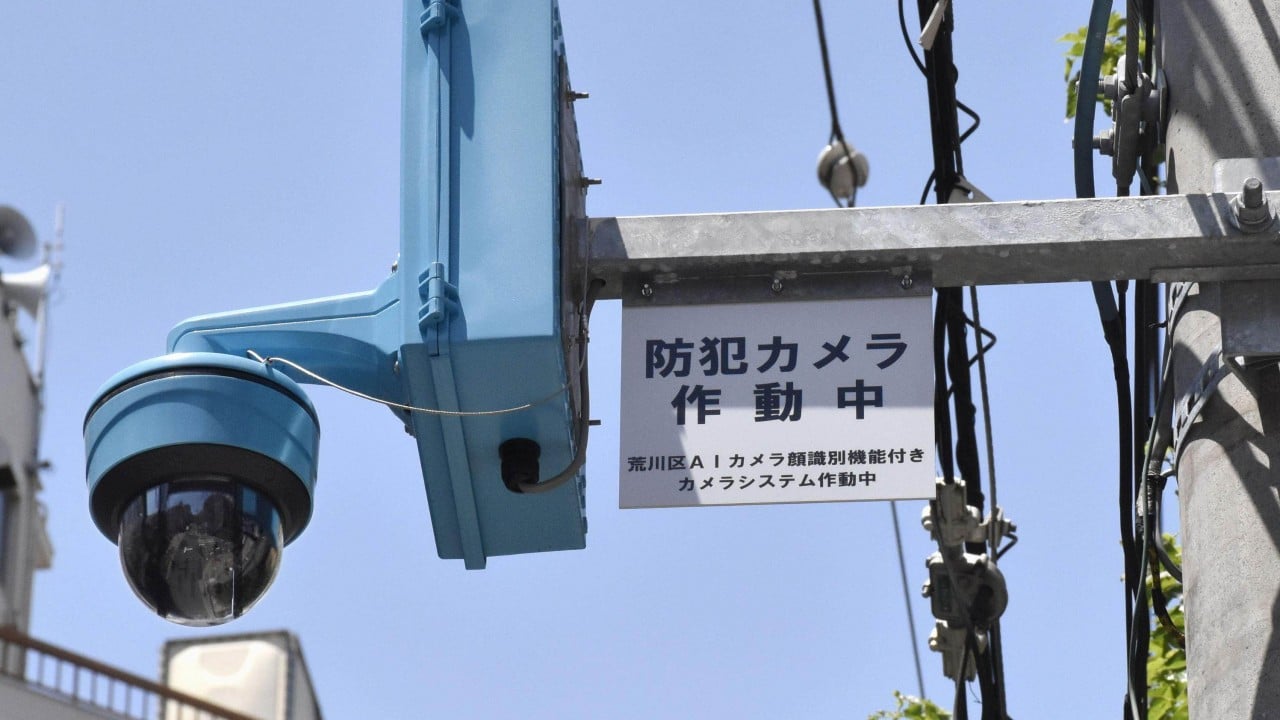
A ward in Tokyo, Japan, has begun a trial of outdoor AI cameras equipped with facial recognition technology to assist in locating missing children and elderly individuals. Arakawa ward installed 33 of these artificial intelligence-powered security cameras in April. The cameras are positioned on pylons along the main street and in other areas near the JR Nippori Station. The initiative aims to enhance public safety by potentially accelerating searches for missing persons in this frequently visited and busy station area. However, the deployment of this advanced surveillance technology has also sparked significant privacy concerns among the public in Japan.
AI-driven facial recognition for public safety presents a complex trade-off between enhanced security and individual privacy. While the technology offers a novel approach to locating vulnerable individuals, its widespread deployment raises questions about data security, potential misuse, and the normalization of pervasive surveillance. The effectiveness of such systems hinges on accurate algorithms and robust data protection protocols, yet the inherent risks of bias and unauthorized access remain critical considerations. As AI capabilities advance, societies must grapple with establishing clear ethical guidelines and regulatory frameworks to govern their use, ensuring that technological progress serves public good without eroding fundamental civil liberties.
AI-generated to prompt reflection — not editorial opinion, not advice, not a statement of fact. How this works.