Japan Ushers in New Era of Domestic Salmon Farming, From Sea to Land
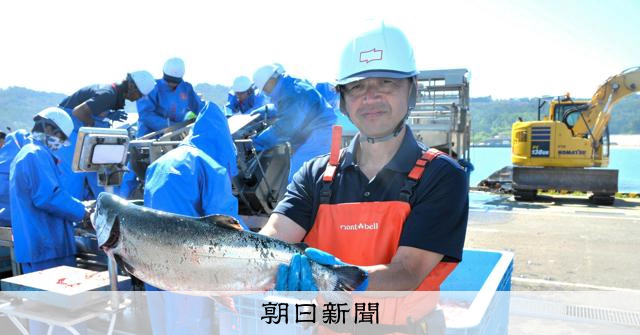
Japan is entering a new era of domestic salmon aquaculture, with "Made in Japan" fresh salmon now being produced both in the sea and on land. This expansion is attracting significant interest from companies outside the traditional fisheries sector, signaling a diversification of the industry. The development of land-based aquaculture facilities represents a significant technological advancement, potentially mitigating some of the environmental and biological risks associated with traditional ocean farming. This shift aims to ensure a stable supply of fresh, high-quality salmon for the Japanese market, reducing reliance on imports. The involvement of various industries suggests a robust investment and innovation drive within the sector. This new approach to salmon production is poised to reshape the domestic seafood landscape.
The expansion of domestic salmon farming in Japan, encompassing both marine and land-based operations, reflects a strategic move towards greater food security and reduced import dependency. The diversification of industry players indicates a potential for increased capital investment and technological innovation, driven by evolving market demands and the pursuit of more sustainable aquaculture practices. Land-based systems, while requiring significant upfront investment, offer greater control over environmental factors and disease outbreaks, potentially leading to a more stable and predictable supply chain. This development aligns with global trends in aquaculture, where innovation is crucial for meeting rising protein demands while addressing environmental concerns. The long-term success will likely depend on balancing production costs, market acceptance, and the environmental footprint of these new farming methods.
AI-generated to prompt reflection — not editorial opinion, not advice, not a statement of fact. How this works.