Japan Warned Venezuela of Earthquake Risks 21 Years Before Deadly Quakes
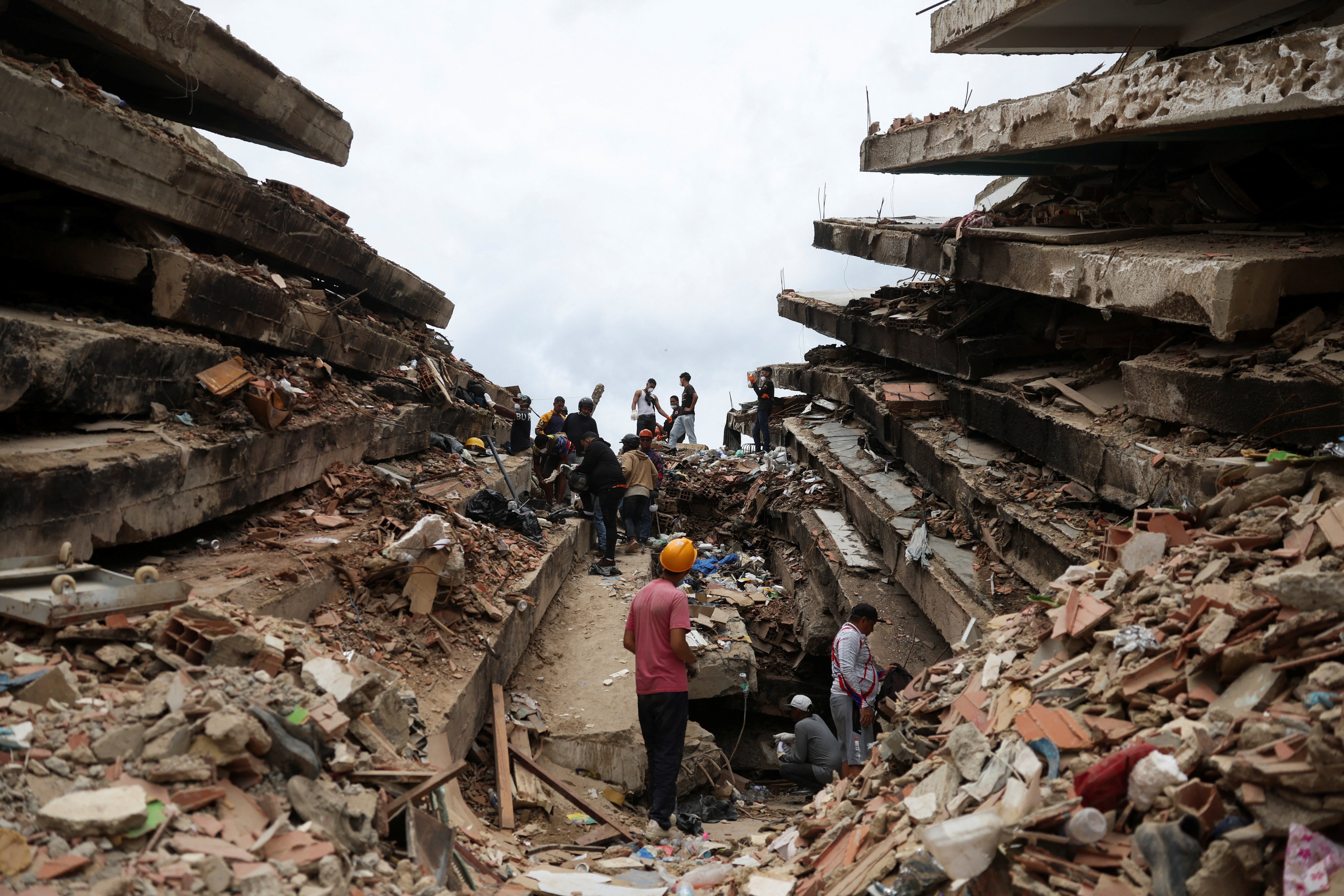
A Japanese government agency delivered a comprehensive study to Venezuela 21 years ago, detailing critical vulnerabilities and recommending measures to mitigate earthquake impacts in the Caracas region. The report, prepared by the Japan International Cooperation Agency (JICA) at Venezuela's request, proposed reinforcing approximately 180,000 vulnerable buildings, installing early warning systems, and relocating residents from high-risk areas. The study, initiated in 2002 and officially submitted in 2005, assessed seismic risks for the metropolitan area of Caracas and outlined 20 projects, seven of which were deemed high priority. Key recommendations included structural reinforcement for buildings, strengthening bridges, constructing dams for debris flows, establishing public alert systems, and creating an emergency command center. The estimated cost for implementing these measures over 16 years was approximately $2.8 billion, with $2.6 billion allocated for building reinforcement. It remains unclear how many of Japan's recommendations were implemented by Venezuela. However, experts suggest that the poor condition of many buildings, often constructed rapidly with limited oversight during housing program expansions, contributed significantly to the destruction caused by the magnitude 7.2 and 7.5 earthquakes on June 24. These tremors have resulted in 3,500 deaths, 16,000 injuries, and the collapse of 190 buildings, with hundreds still missing. The Japanese report also simulated potential damage, projecting that a 7.1 magnitude earthquake could cause over 32,000 buildings to be severely damaged and result in 2,528 fatalities, a figure the proposed reinforcements could reduce by nearly 90%. The study specified engineering techniques for reinforced concrete structures, including adding structural walls and reinforcing columns and beams, as well as less costly measures for informal settlements like foundation beams and retaining walls. It emphasized the need for inspections before interventions and adherence to Venezuela's 2001 building legislation.
This report highlights a significant gap between expert foresight and governmental action regarding disaster preparedness. The detailed Japanese study, delivered two decades prior to the devastating earthquakes, provided actionable, data-driven recommendations for structural reinforcement and risk mitigation. The subsequent tragedy, with its high casualty count and widespread destruction, underscores the potential cost of neglecting such technical assessments, particularly when compounded by economic crises and potentially lax regulatory enforcement. Future infrastructure planning must integrate robust, long-term risk management strategies, ensuring that scientific and engineering advisories are systematically evaluated and implemented, rather than becoming dormant documents. The incentive structures for prioritizing preventative measures against probabilistic, low-frequency, high-impact events require re-evaluation to align with public safety imperatives.
AI-generated to prompt reflection — not editorial opinion, not advice, not a statement of fact. How this works.