Japan Warns of Strengthening Military Ties Between Russia, China, and North Korea
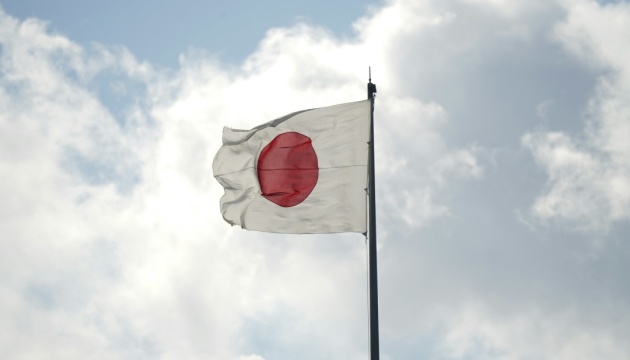
The Japanese government plans to bolster its military capabilities in response to perceived threats from China, Russia, and North Korea. This strategic decision reflects growing concerns within Japan regarding the evolving security landscape in East Asia. The administration aims to enhance its defense posture to counter potential aggressions and maintain regional stability.
This move signals a significant shift in Japan's defense policy, prioritizing a more robust military presence. The government's warning highlights the increasing interconnectedness of military actions and alliances among these three nations. Japan's proactive approach underscores its commitment to safeguarding its national interests and contributing to a secure international environment.
Japan's stated intention to increase its military potential in response to perceived threats from Russia, China, and North Korea reflects a strategic recalibration driven by geopolitical shifts. The interconnectedness of these three nations' military activities presents a complex security challenge, potentially leading to a regional arms race. From a systems perspective, increased military spending by one nation often triggers defensive or offensive responses from others, creating feedback loops that can escalate tensions. This dynamic highlights the inherent tension between national security imperatives and the pursuit of regional stability through collective security mechanisms. The long-term implications may involve altered alliance structures and a redefinition of security paradigms in the Indo-Pacific, influenced by technological advancements and evolving global power balances.
AI-generated to prompt reflection — not editorial opinion, not advice, not a statement of fact. How this works.
