Japanese Acacia: The City Tree That Blankets Sidewalks with Flowers
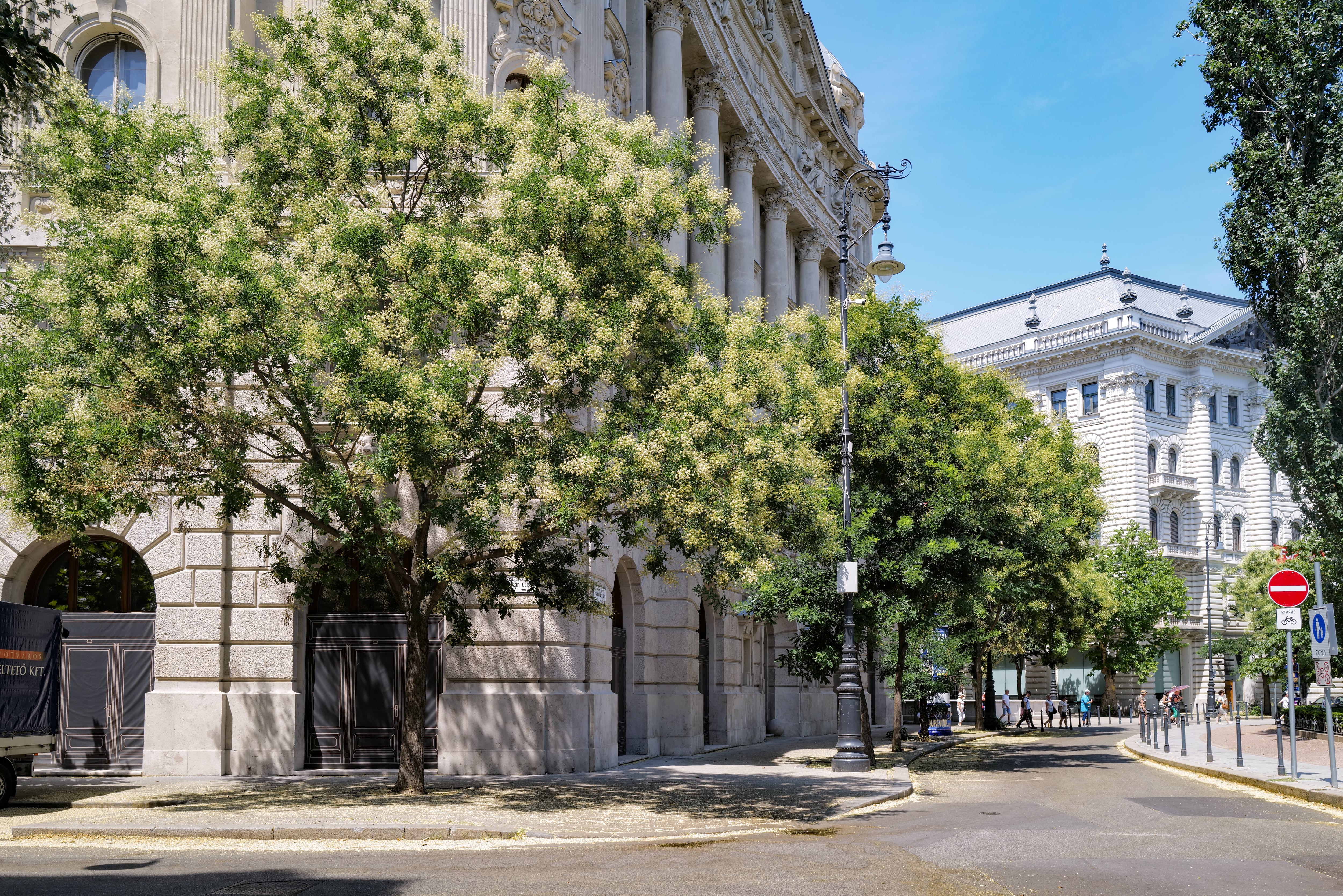
The Japanese acacia (Robinia pseudoacacia), also known as the black locust, is a highly favored tree for urban planting due to its summer blooming period, resilience, and tolerance to pollution. These characteristics make it an ideal choice for city environments where other species might struggle to thrive. Its ability to withstand challenging urban conditions, including air contamination, contributes significantly to its widespread use in landscaping public spaces. The tree's vibrant floral display during the summer months also enhances the aesthetic appeal of city sidewalks, creating a beautiful natural carpet. This combination of ecological hardiness and visual attractiveness has cemented its status as one of the most frequently planted tree species in urban areas.
The widespread adoption of the Japanese acacia in urban environments highlights a common approach to green infrastructure: prioritizing species that demonstrate resilience and low maintenance in challenging conditions. While the tree's tolerance to pollution and ease of growth are practical advantages, urban planners and arborists may consider the long-term ecological implications of monoculture planting. Diversifying urban tree populations is crucial for enhancing biodiversity, improving ecosystem resilience against pests and diseases, and ensuring a more robust urban forest canopy that can adapt to future climate shifts. Evaluating the trade-offs between immediate aesthetic and functional benefits versus long-term ecological health and diversity is key to sustainable urban development.
AI-generated to prompt reflection — not editorial opinion, not advice, not a statement of fact. How this works.