Japanese-American Professor Questions "Who is an American?" Amidst Trump's Immigrant Rhetoric
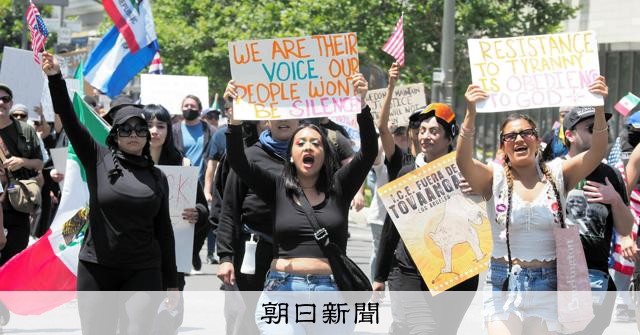
A Japanese-American professor is challenging the definition of "American" in response to former President Donald Trump's rhetoric that labels immigrants as criminals. The professor's inquiry delves into the identity and belonging of individuals within the United States, particularly in the context of immigration policies and discourse. This questioning arises from concerns about the dehumanizing language used to describe immigrant populations and its potential impact on national identity. The professor aims to foster a broader and more inclusive understanding of what it means to be American, moving beyond simplistic or exclusionary definitions. The discourse highlights the ongoing debate about immigration and its role in shaping the American narrative. It also touches upon the historical context of immigration in the U.S. and the varying perceptions of who is considered an integral part of the nation. The professor's initiative seeks to encourage critical thinking about citizenship, belonging, and the values that define the United States.
The professor's inquiry into "Who is an American?" critically examines the exclusionary framing often employed in political discourse surrounding immigration. By challenging the categorization of immigrants as inherently criminal, the professor prompts a reevaluation of national identity and belonging. This perspective encourages a systems-level view, considering how rhetoric influences public perception and policy, potentially creating societal divisions. The analysis prompts consideration of the long-term implications of such exclusionary narratives on social cohesion and the evolving demographic landscape of the United States in the coming decades. It invites reflection on the incentives driving such rhetoric and its impact on democratic values.
AI-generated to prompt reflection — not editorial opinion, not advice, not a statement of fact. How this works.
