Japanese Cities Hope for 'Sub-Capital' Designation
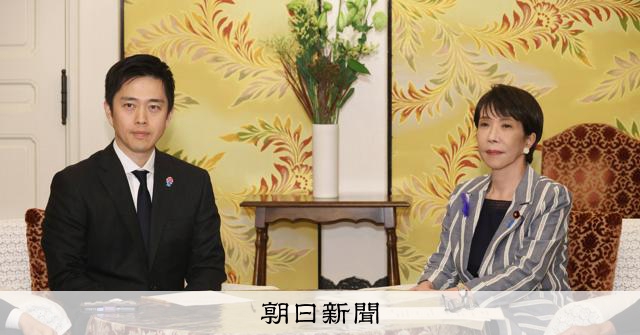
Several major Japanese cities are expressing enthusiasm for being designated as 'sub-capitals,' a concept that goes beyond the current focus on Osaka. Fukuoka, Nagoya, and Hokkaido have all indicated a positive stance towards this potential designation. The idea of establishing secondary centers of power and administration aims to decentralize national functions and foster regional development. While Osaka has been a prominent candidate in discussions, the broader interest from these other regions suggests a nationwide desire for increased national investment and influence. This initiative could lead to significant infrastructure improvements and economic growth in the designated areas. The specific criteria and benefits of such a designation are still under discussion, but the forward-looking attitudes of these cities highlight a strategic approach to national planning and regional revitalization. The potential for multiple 'sub-capitals' could reshape Japan's urban landscape and economic distribution.
The push for 'sub-capital' designations reflects a strategic imperative for regional governments to attract national resources and influence, addressing historical urban concentration in Tokyo. This decentralization strategy aims to foster balanced national development and enhance resilience by distributing critical functions. The competitive interest from cities like Fukuoka, Nagoya, and Hokkaido signals a potential shift in Japan's long-term urban planning, moving towards a polycentric national structure. Such a move could optimize infrastructure investment and stimulate localized innovation, but careful consideration of governance frameworks and resource allocation will be crucial to avoid exacerbating regional disparities or creating inefficient administrative redundancies. The next decade's focus on distributed AI infrastructure and resilient supply chains may further validate the benefits of such a decentralized model.
AI-generated to prompt reflection — not editorial opinion, not advice, not a statement of fact. How this works.