Japanese Credit Union's Bankruptcy Highlights Weak Financial Oversight
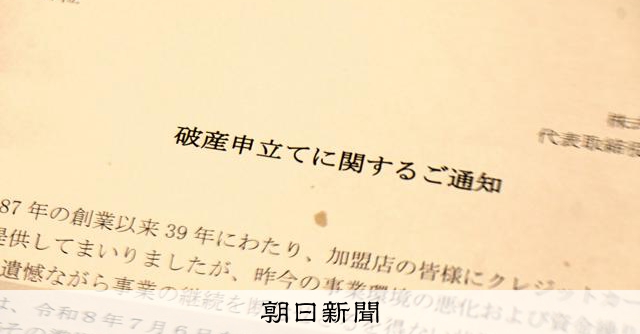
Zen Toshin, a credit union that was expected to operate with low risk, has declared bankruptcy. The primary reason cited for this unexpected collapse is the absence of a robust financial checking system. This lack of oversight appears to have allowed underlying financial issues to escalate unchecked. The bankruptcy raises serious questions about the internal controls and risk management practices within the organization. It suggests a significant failure in monitoring its financial health and operational stability. The situation underscores the critical importance of comprehensive financial scrutiny, even for entities perceived as low-risk. The implications of this failure could extend to depositor confidence and the broader financial system's stability. Further investigation into the specific mechanisms of the failed financial checks is expected.
The bankruptcy of Zen Toshin, a credit union presumed to be low-risk, points to systemic vulnerabilities in financial oversight mechanisms. The absence of adequate financial checking systems suggests a potential disconnect between perceived risk and actual operational reality. This event underscores the critical need for robust internal controls and transparent reporting, especially within financial institutions entrusted with public funds. Future regulatory frameworks may need to emphasize proactive risk assessment and continuous monitoring to prevent similar failures, ensuring depositor protection and maintaining market confidence. The incident serves as a cautionary tale regarding the critical importance of diligent financial governance, irrespective of an institution's perceived risk profile.
AI-generated to prompt reflection — not editorial opinion, not advice, not a statement of fact. How this works.