Japanese Dietary Strategy Promotes Blood Vessel Rejuvenation
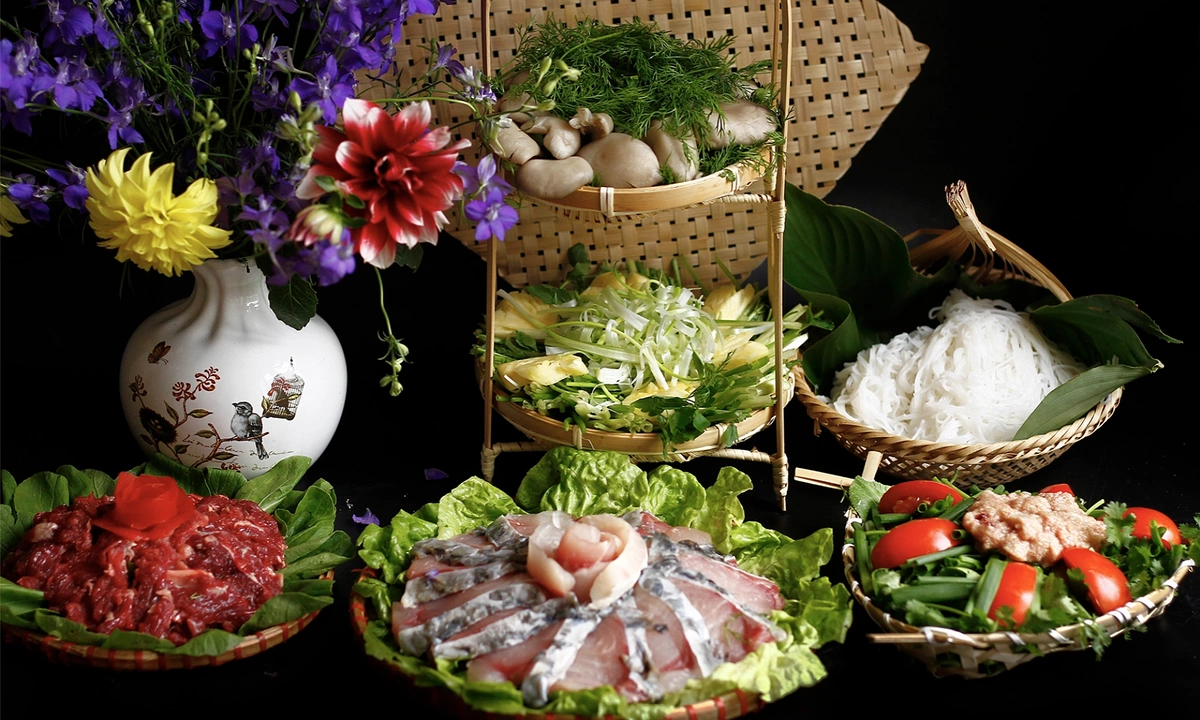
A dietary approach, referred to as 'eating in rotation' by the Japanese, emphasizes consuming a diverse range of nutrients by regularly alternating food choices. This strategy, coupled with the use of simple cooking methods, is believed to contribute to the rejuvenation of blood vessels and the brain. The core principle involves varying the types of food consumed to ensure a broad intake of essential nutrients. This diversification is seen as key to maintaining vascular and cognitive health. By consistently changing the food items included in meals, individuals can potentially benefit from a wider spectrum of vitamins, minerals, and other beneficial compounds. The focus on simple preparation methods further supports this goal, as it helps preserve the nutritional integrity of the foods.
The Japanese dietary practice of rotating food consumption highlights a principle of nutritional diversity, aiming to optimize health outcomes by avoiding over-reliance on any single food group. This approach aligns with modern nutritional science that emphasizes a balanced intake of macronutrients and micronutrients for overall well-being, particularly for vascular and cognitive function. By varying food sources, individuals can mitigate risks associated with potential contaminants or nutrient imbalances inherent in specific foods. This strategy, when combined with simple preparation, supports a holistic view of health that prioritizes nutrient absorption and minimizes processed food intake. Over the next decade, as understanding of the gut microbiome and personalized nutrition deepens, such flexible and diverse dietary patterns may prove increasingly important for long-term health resilience.
AI-generated to prompt reflection — not editorial opinion, not advice, not a statement of fact. How this works.