Japanese Doctor Recommends Anti-Aging Breakfast for Brain Health
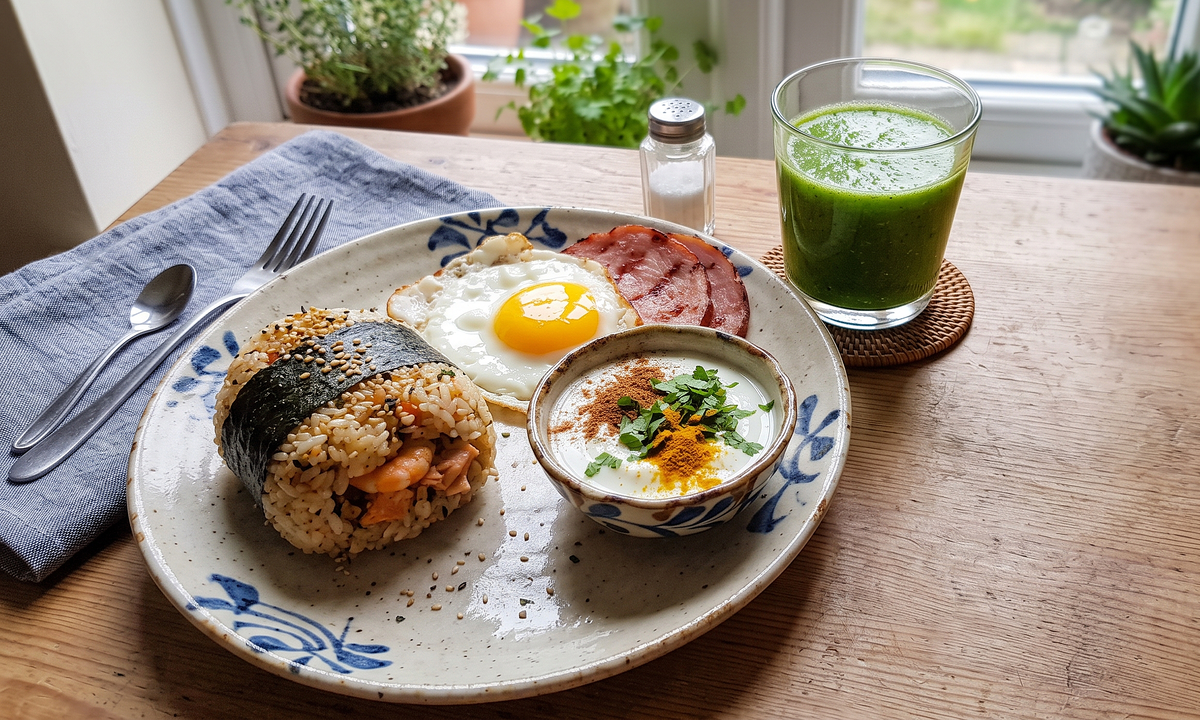
Dr. Hideki Wada, a Japanese physician, emphasizes the importance of a breakfast rich in carbohydrates and protein for preventing cognitive decline. He specifically recommends a blend of yogurt mixed with cinnamon, coriander, and turmeric powder as a beneficial morning meal. This combination is suggested to support brain health and combat age-related mental deterioration. Dr. Wada's advice focuses on incorporating these specific ingredients into a daily breakfast routine. The goal is to proactively address potential issues of intellectual impairment through dietary choices. By consuming adequate carbohydrates and proteins, individuals can provide their brains with the necessary fuel for optimal function. The inclusion of spices like cinnamon and turmeric, known for their antioxidant and anti-inflammatory properties, may further enhance these benefits. Coriander also contributes to the overall nutritional profile of the meal. This approach highlights a simple yet potentially effective dietary strategy for maintaining cognitive vitality throughout aging.
This dietary recommendation from Dr. Hideki Wada offers a proactive approach to cognitive health, focusing on readily available food components. The proposed breakfast, incorporating yogurt, cinnamon, coriander, and turmeric, leverages ingredients with known antioxidant and anti-inflammatory properties. From a systems perspective, such nutritional strategies can contribute to overall well-being, potentially mitigating the long-term societal costs associated with cognitive decline. The emphasis on accessible dietary interventions aligns with public health goals of empowering individuals to manage their health proactively. Future considerations might involve exploring the synergistic effects of these ingredients in diverse populations and their long-term impact on neurological markers, within the context of broader lifestyle factors influencing brain health in the coming decade.
AI-generated to prompt reflection — not editorial opinion, not advice, not a statement of fact. How this works.