Japanese Encephalitis Risk: Does Not Raising Pigs Eliminate the Danger?
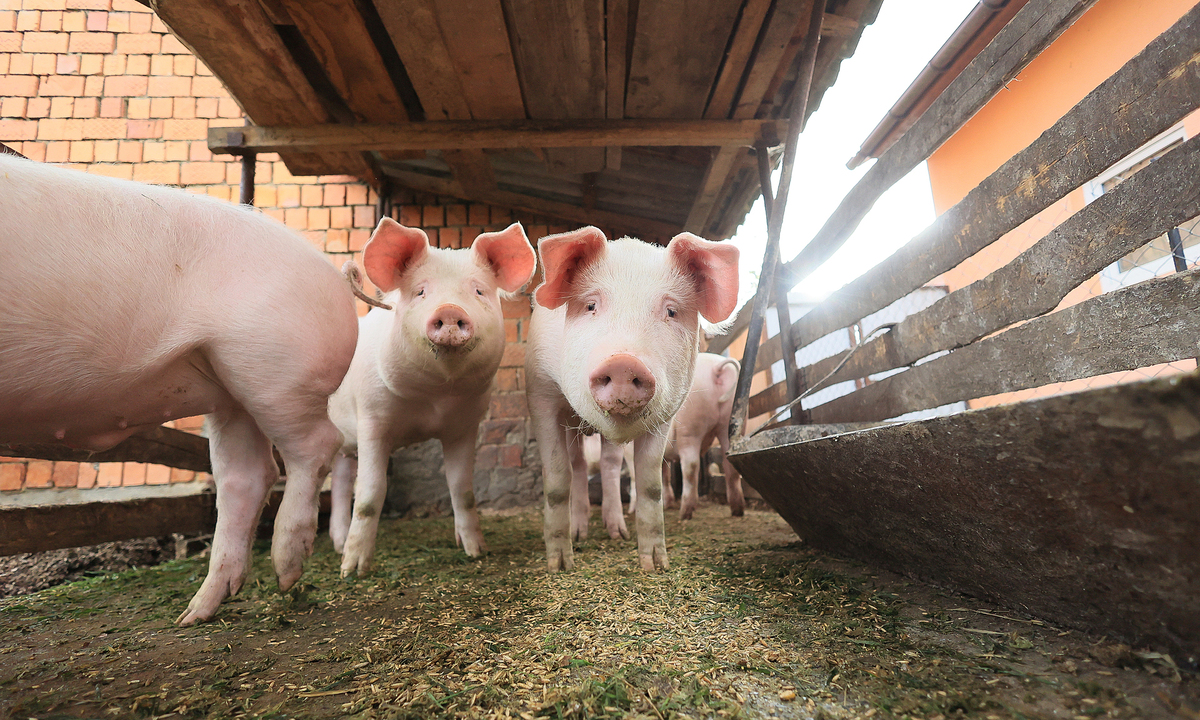
A reader, identified as Thái Đoàn, 33 years old, from Thanh Hóa, has inquired about the transmission of Japanese Encephalitis (JE). The reader has heard that JE is primarily transmitted from pigs to humans via mosquitoes. Based on this information, the reader believes that villages not raising pigs would be free from contracting the disease. The question seeks confirmation on whether not raising pigs completely eliminates the risk of contracting Japanese Encephalitis.
The inquiry highlights a common public health misconception regarding disease vectors and reservoirs. While pigs can act as amplifying hosts for the Japanese Encephalitis virus, their absence in a community does not automatically guarantee immunity. The virus is transmitted by mosquitoes, and these vectors can acquire the virus from other animal hosts, such as wild birds, which are widespread. Therefore, focusing solely on pig farming as the sole source of transmission overlooks the broader ecological cycle of the virus and the role of other potential reservoirs. Public health messaging should emphasize comprehensive mosquito control and awareness of the virus's presence in the wider environment, rather than solely targeting specific agricultural practices.
AI-generated to prompt reflection — not editorial opinion, not advice, not a statement of fact. How this works.