Japanese Encephalitis Virus: 5 Facts About Mosquitoes
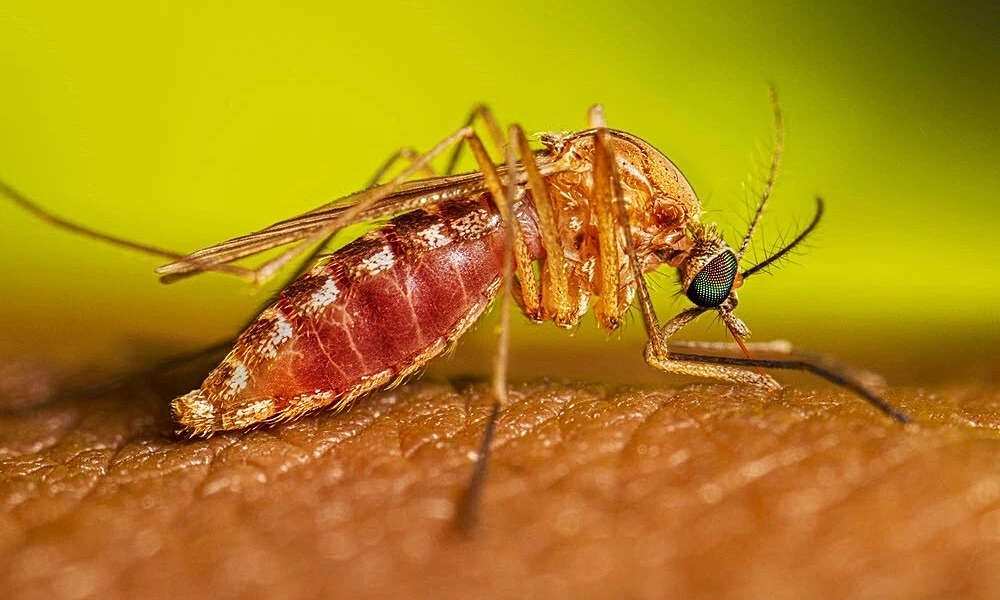
Mosquitoes that transmit Japanese encephalitis virus are primarily nocturnal, meaning they are most active during the night. These insects are capable of flying considerable distances, up to 3.2 kilometers. This allows them to potentially spread the virus across various hosts before ultimately transmitting it to humans. Understanding the behavior and capabilities of these mosquitoes is crucial for public health efforts aimed at preventing the spread of Japanese encephalitis.
The transmission cycle of Japanese encephalitis virus highlights the ecological interconnectedness of mosquito vectors, animal hosts, and human populations. The mosquitoes' nocturnal activity and extensive flight range indicate challenges in containment strategies that rely on localized control measures. Public health interventions must consider these factors to effectively disrupt the virus's spread, potentially through integrated pest management and vaccination programs. Future efforts may benefit from advancements in vector surveillance technology and a deeper understanding of the environmental conditions that favor mosquito breeding and virus amplification.
AI-generated to prompt reflection — not editorial opinion, not advice, not a statement of fact. How this works.