Japanese Fishermen Face Dilemma as Bluefin Tuna Stocks Surge
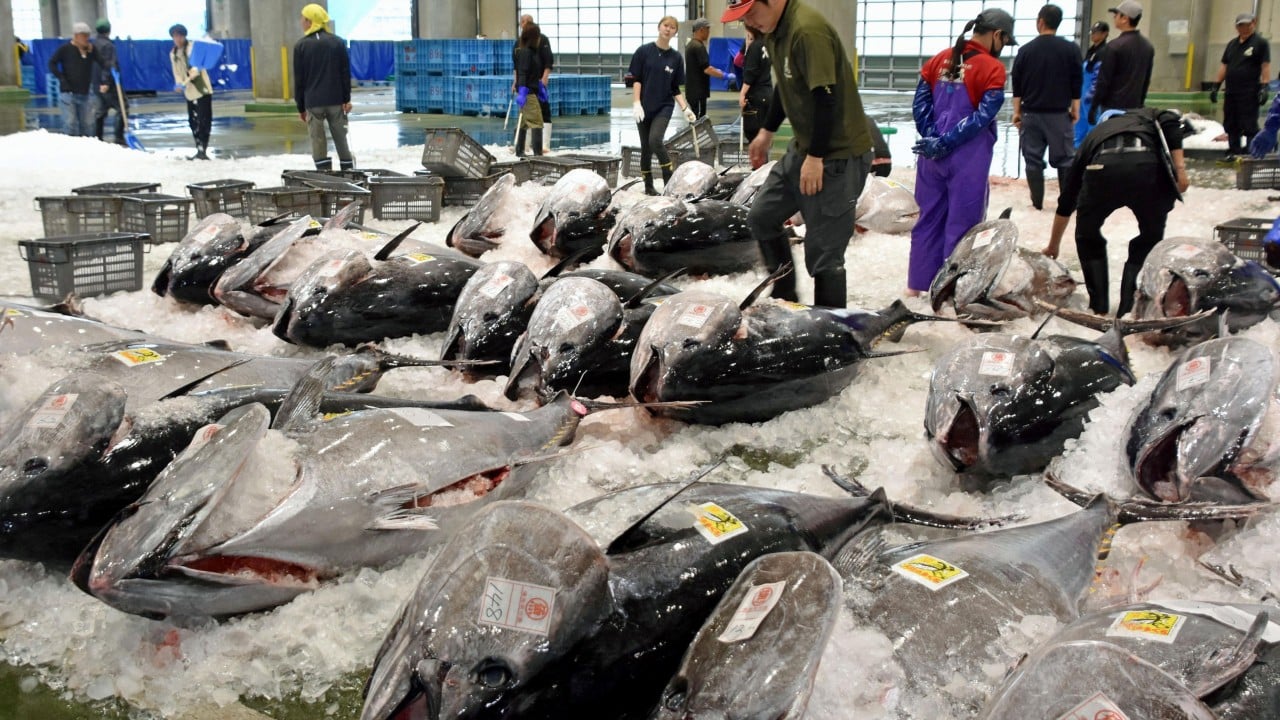
Japanese fisherman Tadasuke Nakamura recently experienced an unusually large catch of bluefin tuna in his net near Hakodate, Hokkaido. Despite the abundance of the valuable sushi fish, Nakamura was compelled to release many of them due to Japan's annual catch quota. This situation highlights a significant challenge for fishermen: exceeding the quota early in the season means they will have no allowance left for the colder months. During this period, bluefin tuna are known to be fattier, tastier, and command higher prices in the market. Nakamura expressed his frustration at having to let go of such a substantial catch, underscoring the economic and logistical difficulties imposed by fishing regulations on Japanese fishermen.
The reported increase in bluefin tuna stocks, while seemingly positive for conservation, presents a complex economic challenge for Japanese fishermen. The current quota system, designed to manage fish populations, may inadvertently create disincentives for fishermen to capitalize on abundant catches, particularly when those catches occur outside peak demand periods. This situation raises questions about the adaptability of fishing management frameworks to fluctuating biological conditions and market dynamics. Future policy considerations might explore more flexible quota mechanisms or market-based solutions that balance ecological sustainability with the economic viability of fishing communities, ensuring that conservation efforts do not unduly burden the livelihoods of those directly dependent on the resource.
AI-generated to prompt reflection — not editorial opinion, not advice, not a statement of fact. How this works.