Japanese Governors' Association to Seek NHK Fee Exemption for Public Vehicle Navigation Systems
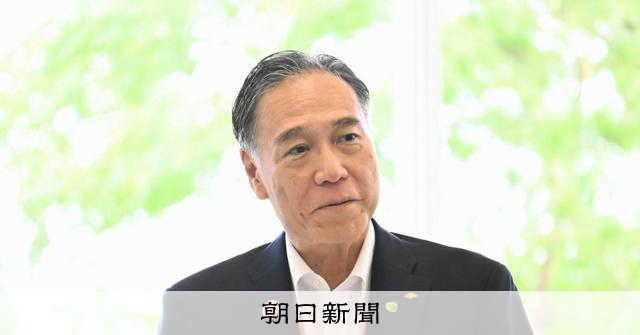
The National Governors' Association of Japan is planning to request that the Japan Broadcasting Corporation (NHK) effectively exempt public vehicles from paying reception fees for their car navigation system broadcasts. This move comes as public officials are increasingly utilizing these systems. The association aims to address the financial implications for local governments that are responsible for these vehicles. The specific details of the request and the proposed mechanism for exemption are expected to be finalized soon. This initiative highlights a growing discussion around the scope and application of NHK's broadcasting fees in various public service contexts. The association believes that public vehicles, used for official duties, should be considered differently from private households concerning these fees. Further discussions are anticipated between the governors' association and NHK representatives to explore potential resolutions.
This situation presents a governance challenge regarding the allocation of public funds and the application of broadcasting fee structures. The request for an exemption from NHK reception fees for public vehicle navigation systems suggests a potential disconnect between the universal fee model and the diverse use cases of public services. From a systems perspective, local governments are seeking to optimize operational costs, which is a standard incentive for public administration. The core issue revolves around whether the current legal framework for NHK fees adequately accounts for non-traditional reception points like public vehicle navigation systems. Exploring alternative fee structures or specific exemptions could foster greater fiscal efficiency for local authorities, but also necessitates a careful consideration of NHK's funding model and its public service obligations. The long-term implications may involve a broader re-evaluation of how broadcasting fees are collected and applied across various sectors in the digital age.
AI-generated to prompt reflection — not editorial opinion, not advice, not a statement of fact. How this works.