Japanese Lawmakers Protest US Plan to Dismantle International Criminal Court
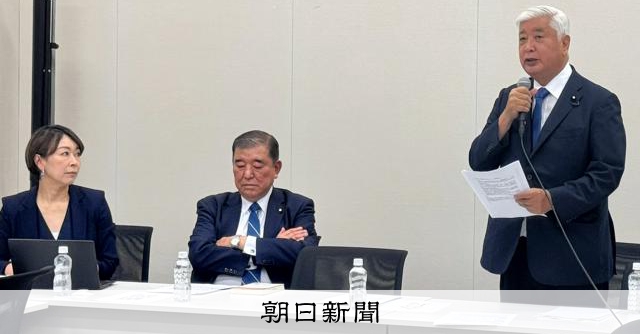
A bipartisan group of Japanese lawmakers has lodged a protest against the United States administration's intention to dismantle the International Criminal Court (ICC). The group, comprising members from various political parties, expressed strong opposition to the US stance, emphasizing that considerations for the US will not be effective in this matter. Their statement signals a significant divergence between Japan's parliamentary sentiment and the potential actions of the US government regarding the international judicial body. The lawmakers' unified front underscores a commitment to upholding the principles of international law and the role of the ICC in pursuing justice on a global scale. This move by the Japanese delegation highlights the growing international concern over potential US actions that could undermine established international institutions. The protest serves as a clear message that such unilateral attempts to weaken or abolish the ICC are unacceptable to a significant portion of the Japanese political establishment. The specific details of the US administration's plan and the ICC's potential response were not elaborated upon in the initial report.
The protest by Japanese lawmakers against potential US actions targeting the ICC signals a critical juncture in international governance. It highlights a potential conflict between national interests, particularly those of a major global power like the US, and the collective commitment to international justice mechanisms. The lawmakers' stance suggests an understanding that international institutions, while imperfect, serve a vital role in global stability and accountability. This event may prompt a broader discussion on the future of the ICC and the willingness of nations to support its mandate, even when faced with opposition from powerful allies. The long-term implications could involve a recalibration of diplomatic efforts to ensure the ICC's operational independence and effectiveness in the coming decade, particularly as geopolitical landscapes evolve and the need for impartial international justice becomes more pronounced.
AI-generated to prompt reflection — not editorial opinion, not advice, not a statement of fact. How this works.