Japanese mall, rebuilt after 2016 quakes, collapses again in new earthquake
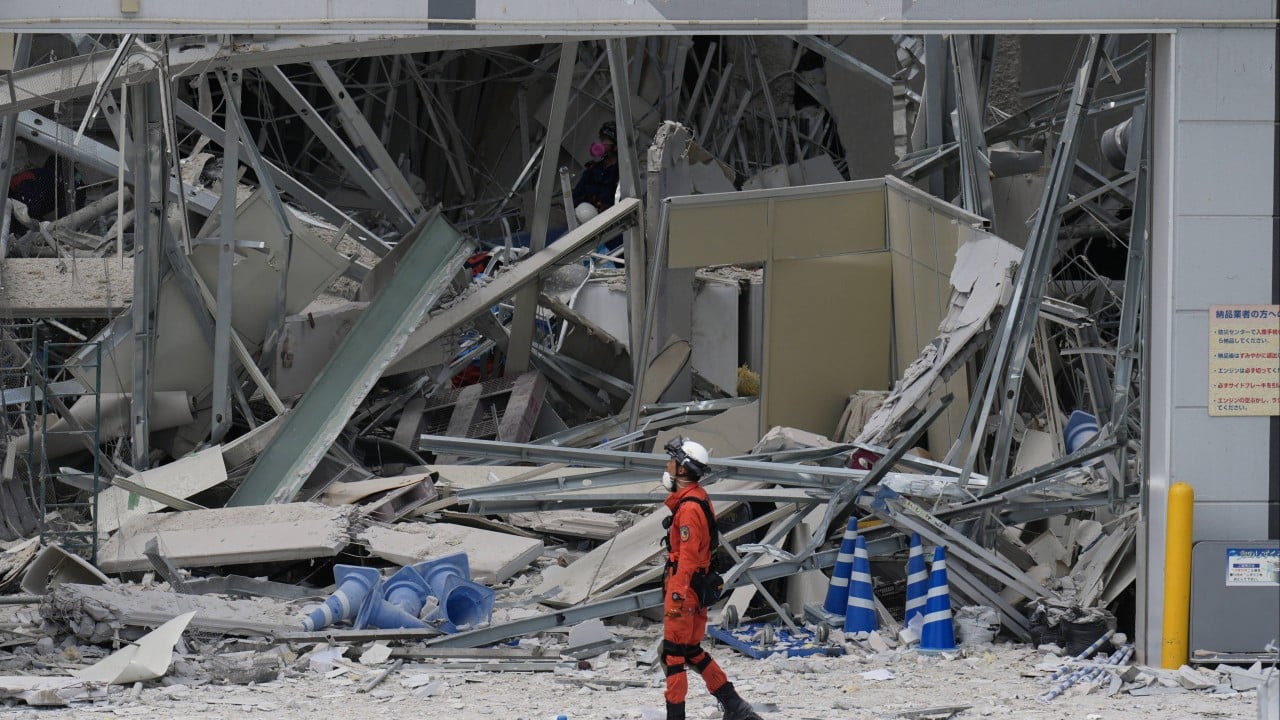
Aeon Mall Kumamoto in Kashima town, Japan, has collapsed for a second time after being rebuilt to withstand earthquakes. The mall was originally damaged in strong quakes in April 2016 and reopened in June of that year, intended as a symbol of resilience. However, a magnitude 7.1 earthquake on Tuesday caused the structure to collapse again. A 30-year-old resident, Nishiyama, expressed shock, stating they immediately recognized the epicenter was nearby and did not anticipate a repeat of the previous damage at this location. The recent earthquake has shaken the renewed confidence in the mall and its ability to withstand seismic activity.
The repeated structural failure of Aeon Mall Kumamoto, despite reconstruction efforts following the 2016 Kumamoto earthquakes, raises critical questions about seismic engineering standards and building code enforcement in Japan. While the initial damage and subsequent rebuilding were responses to a known seismic risk, the second collapse suggests potential deficiencies in the retrofitting process or an underestimation of the region's seismic potential. This event highlights the complex interplay between disaster preparedness, infrastructure resilience, and the economic pressures that may influence reconstruction timelines and standards. Future considerations should involve rigorous independent auditing of seismic retrofitting projects and a continuous evaluation of building codes against evolving geological data and advanced engineering capabilities to ensure long-term public safety and investor confidence.
AI-generated to prompt reflection — not editorial opinion, not advice, not a statement of fact. How this works.