Japanese Minister Claims Indian Officials Caused Bullet Train Project Delays
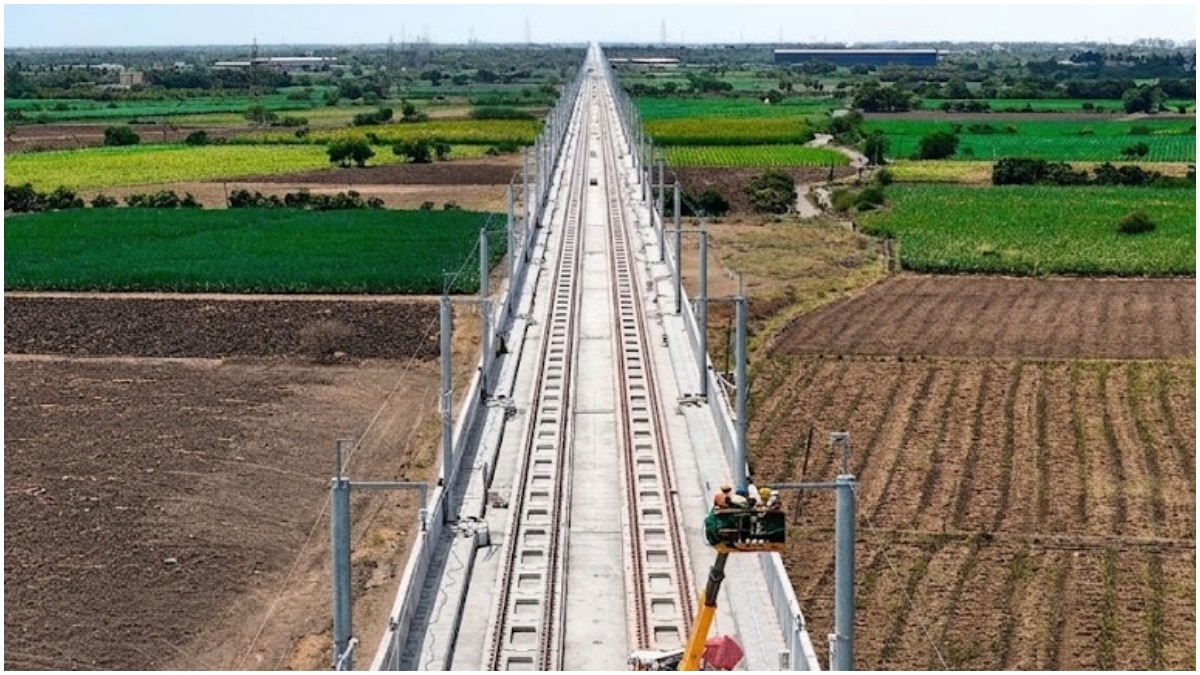
Former Japanese Justice Minister Hideki Makihara has accused Indian officials of significantly delaying the Mumbai-Ahmedabad bullet train project. Makihara asserted that the primary reason for the project's setbacks was the attitude of Indian officials and a former minister. He suggested that these actions hindered progress and contributed to the delays. However, the Indian government has refuted these claims, stating that discussions with Japan regarding the project are progressing positively. The government also emphasized that construction work is proceeding rapidly and according to schedule. This statement from the Indian government aims to counter the accusations and assure that the project remains on track.
This situation highlights potential friction points in international infrastructure collaborations, particularly concerning bureaucratic processes and intergovernmental coordination. The differing perspectives between the Japanese minister and the Indian government suggest possible communication breakdowns or divergent interpretations of project timelines and responsibilities. Examining the incentive structures for both nations' project stakeholders could reveal underlying causes for these discrepancies. Moving forward, establishing clearer communication protocols and shared accountability frameworks will be crucial for ensuring the timely and efficient completion of such high-stakes, technologically advanced projects, especially in the context of increasing global infrastructure development.
AI-generated to prompt reflection — not editorial opinion, not advice, not a statement of fact. How this works.